Ethnic Gown for Women: How to Choose the Perfect Style for Any Occasion
Published: 15 Jul 2026
Ethnic gowns have become one of the most loved additions to the modern Indian wardrobe, blending the grace of traditional silhouettes with the comfort of contemporary tailoring. Whether you are attending a wedding reception, a festive puja, a sangeet night, or a friend’s birthday celebration, an ethnic gown effortlessly bridges the gap between a heavy lehenga and a simple saree, giving you elegance without the fuss of drapes or pleats. But with so many necklines, fabrics, embroidery styles, and silhouettes available today, choosing the right ethnic gown for women can feel overwhelming, especially if you are shopping for a specific event or body type. This guide walks you through everything you need to know, from understanding what makes a gown truly ethnic, to matching styles with occasions, fabrics with seasons, and colors with your skin tone, so that your next ethnic gown purchase feels effortless and confident rather than confusing.
What Is an Ethnic Gown for Women?
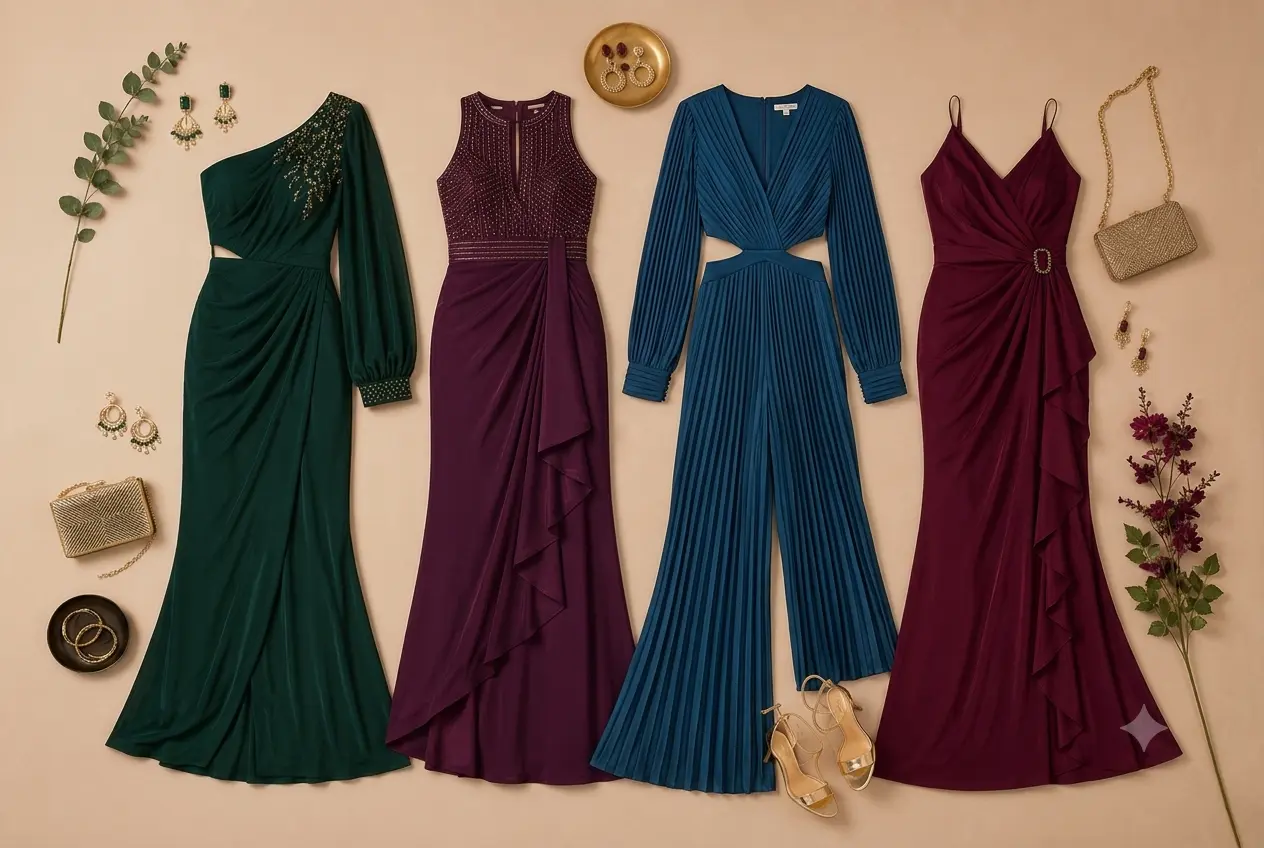
An ethnic gown for women is essentially a one-piece flowing outfit that merges traditional Indian design elements, such as zari work, thread embroidery, mirror work, or block prints, with the structure and stitching of a Western style gown. Unlike a saree, which requires draping, or a lehenga, which comes as separate pieces, an ethnic gown is stitched as a single unit, making it far easier to wear and much more travel-friendly for destination weddings or back-to-back functions.
Ethnic gowns typically feature Indian-inspired necklines like the boat neck, sweetheart, or high neck paired with a dupatta, and skirts that flare into A-line, umbrella, or mermaid silhouettes. Fabrics range from georgette and chiffon to silk, velvet, and net, often layered for extra volume and movement as you walk.
What truly sets ethnic gowns apart is their versatility. A heavily embellished velvet gown can easily double as bridal reception wear, while a lightweight floral georgette gown works beautifully for daytime festive gatherings. This adaptability is exactly why ethnic gowns have become a wardrobe staple for women who want the richness of Indian fashion without compromising on comfort or ease of movement.
Popular Types of Ethnic Gowns
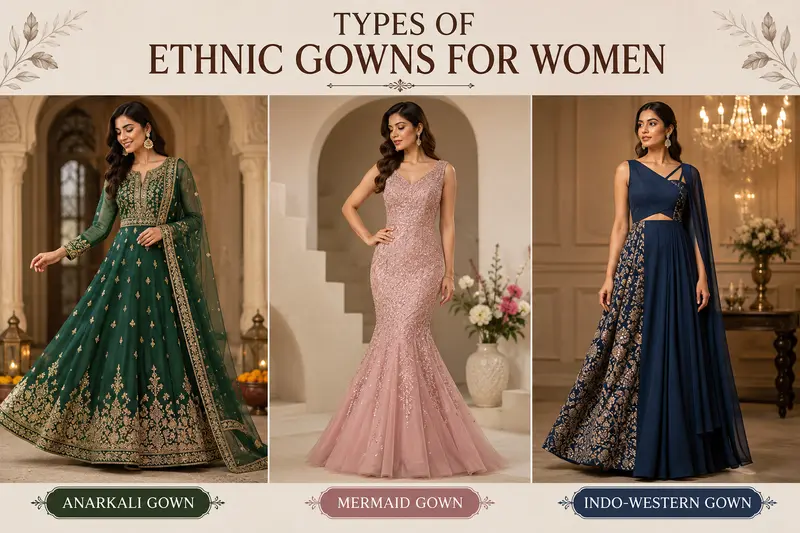
- Before deciding how to choose a gown for yourself, it helps to understand the main styles available in the market today.
- Anarkali-style gowns feature a fitted bodice that flares out dramatically from the waist, echoing the royal Mughal silhouette. These are ideal for women who want a regal, floor-sweeping look with heavy embroidery around the neckline and hem.
- Flared or umbrella-cut gowns have a wide, circular hem that creates dramatic movement, making them a favorite for sangeet nights and dance-heavy events where you want the outfit to flow with you.
- Mermaid or fishtail gowns hug the body from the bust to the knee before flaring out, offering a sleek and glamorous silhouette best suited for reception parties and evening events.
- Indo-western gowns blend Indian embroidery with Western cuts such as thigh-high slits, off-shoulder necklines, or corset-style bodices, appealing to women who want a fusion look for cocktail parties or destination pre-wedding functions.
- Cape-style and jacket gowns layer a flowing cape or embroidered jacket over a simpler base gown, adding drama without the weight of heavy embellishment, which makes them a comfortable option for long events.
- Peplum-style gowns feature a fitted top with a short flared layer at the waist over a straight or slightly flared skirt, offering a modern silhouette that works especially well for cocktail parties or smaller, intimate celebrations where a full-volume gown might feel excessive.
- Knowing these categories in advance makes it much easier to communicate what you want when shopping online or in-store, and it also helps you compare gowns across different sellers using the same vocabulary rather than relying on vague descriptions like “party gown” or “designer gown.”
How to Choose an Ethnic Gown Based on the Occasion
- Weddings and receptions call for gowns with rich fabrics like velvet, silk, or heavily worked net, often in jewel tones or metallics. A mermaid or Anarkali-style gown with intricate hand embroidery makes a strong statement as bridal reception wear or for close family members attending the wedding.
- Festive occasions and puja gatherings are better suited to lighter fabrics such as georgette or chiffon in softer, auspicious colors like yellow, red, or green. A simple flared gown with minimal embellishment keeps you comfortable through long prayer ceremonies while still looking festive.
- Sangeet nights and cocktail parties are the perfect setting for Indo-western gowns or umbrella-cut styles, since these outfits allow ease of movement for dancing while still carrying enough sparkle to match the celebratory mood.
- Casual day functions or engagement brunches work best with pastel-colored gowns in breathable fabrics, minimal embroidery, and simpler necklines, allowing you to look put-together without appearing overdressed for a daytime setting.
How to Choose an Ethnic Gown Based on Body Type
- Choosing the right silhouette for your body type can make a significant difference in how confident you feel in an ethnic gown.
- If you have a pear-shaped body, look for gowns with embellishment concentrated on the bodice and shoulders, such as boat necks or off-shoulder designs, to balance out a fuller lower body. A-line or Anarkali silhouettes that skim over the hips work particularly well.
- If you have an apple-shaped body, empire waistlines or gowns with a defined waist created through embroidery or a belt can help create the illusion of a more defined midsection while flared skirts add movement below.
- If you have a rectangular body, mermaid or fishtail gowns are an excellent choice, since the fitted waist and flared hem help create curves and shape where a straighter frame may need more definition.
- If you have an hourglass figure, almost every silhouette works well, but fitted bodices with a flared or umbrella-cut skirt highlight your natural waistline beautifully without adding unnecessary bulk.
Choosing the Right Fabric for the Season
- Fabric choice affects both comfort and appearance, so it is worth considering the season and venue before you buy.
- For summer weddings or outdoor daytime events, lightweight fabrics like georgette, chiffon, and organza allow better airflow and are less likely to cause discomfort in the heat, while still draping beautifully.
- For winter functions or evening receptions, richer fabrics such as velvet, silk, and heavy net add warmth along with a more luxurious appearance, making them ideal for indoor evening celebrations.
- For destination weddings, crushable fabrics like georgette or crepe are more practical for travel, since they resist wrinkling and are easier to pack compared to structured velvet or silk gowns.
Color Selection Tips for Ethnic Gowns
Color plays a major role in how an ethnic gown photographs and flatters your skin tone.
- Warmer skin tones generally look striking in colors like maroon, mustard, rust, or emerald green, while cooler skin tones tend to shine in shades like royal blue, fuchsia, lavender, or silver.
- For daytime events, pastel shades such as blush pink, mint, and powder blue photograph beautifully in natural light. for evening functions, deeper jewel tones and metallics like gold or copper tend to stand out better under artificial lighting.
- If you are unsure, jewel tones are generally the safest choice, since they suit most skin tones and work across both daytime and evening settings.
Styling Tips to Complete Your Ethnic Gown Look

- The right accessories can elevate a simple ethnic gown into a complete festive look. Statement earrings paired with a minimal neckline, or a choker with an off-shoulder gown, help create balance without overwhelming the outfit.
- Footwear should complement the gown’s hemline; block heels or embellished juttis work well with floor-length gowns where comfort matters. For long events, while strappy heels suit shorter or fishtail-style gowns.
- For hairstyling, soft curls or a low bun with floral or kundan hair accessories pair beautifully with Anarkali and flared gowns, while sleek, straight hair often complements the more structured, Indo-western silhouettes. A well-chosen clutch in a metallic or contrasting shade ties the entire look together without competing with the gown’s embellishment.
Ethnic Gown vs. Saree vs. Lehenga: Which One Should You Choose?
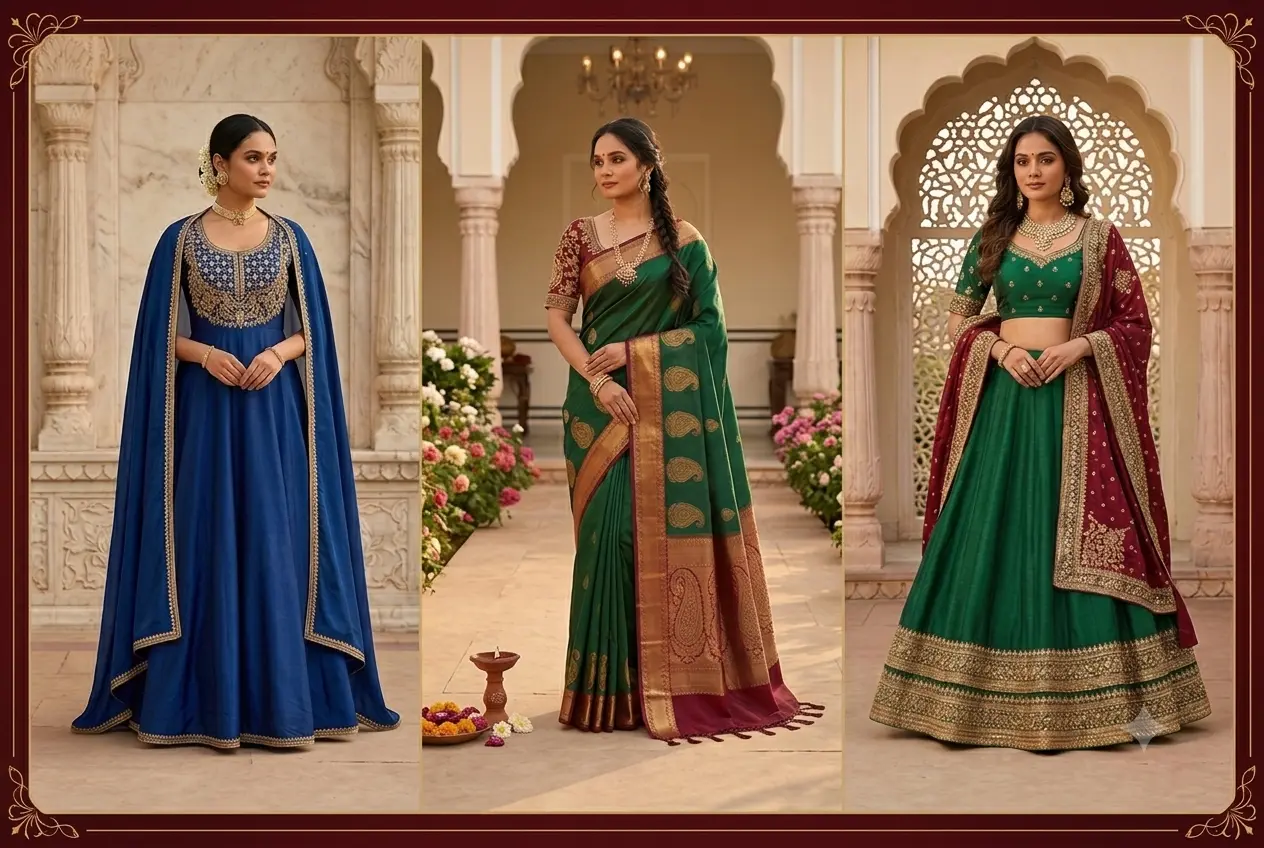
If you are torn between an ethnic gown, a saree, or a lehenga, it helps to think about comfort, styling time, and the nature of the event. A saree offers timeless elegance but requires draping skills or professional help, and can feel restrictive if you need to move around a lot, such as at a sangeet or a destination wedding with multiple outdoor photo sessions. A lehenga, while stunning, comes with a heavier skirt and blouse combination that can be tiring to wear through a full-day event and often needs alterations for a perfect fit.
An ethnic gown, by comparison, is stitched to your measurements as one piece, so there is no draping, no risk of pleats coming undone, and far less overall weight to carry through a long evening. This makes it a practical choice for women who want to look festive without spending hours getting ready or worrying about adjustments throughout the event.
Many women now choose an ethnic gown specifically for reception parties, cocktail nights, or destination functions where ease of movement and comfort matter just as much as the visual impact of the outfit.
That said, sarees and lehengas still hold a special place for core wedding rituals like the mehendi or the main wedding ceremony, where traditional drapes are often expected. A good rule of thumb is to reserve your saree or lehenga for the most traditional events and let an ethnic gown take over for the more contemporary, celebratory parts of the wedding season, such as the reception, sangeet, or after-party.
How to Care for and Store Your Ethnic Gown
- A well-maintained ethnic gown can be worn for multiple events over several years, so it is worth investing a little time into proper care. Always check the fabric care label before washing, since delicate fabrics like georgette, chiffon, and net are best dry-cleaned rather than machine washed, especially if the gown has embroidery, sequins, or stonework that could get damaged by agitation.
- For storage, hang heavier gowns like velvet or silk on padded hangers to help the fabric retain its shape and prevent creasing at the shoulders. Lighter gowns in georgette or chiffon can be folded gently and stored in a breathable cotton garment bag, which protects the fabric from dust while still allowing it to breathe, unlike plastic covers that can trap moisture and cause discoloration over time.
- If your gown has heavy embellishment such as sequins, beads, or zari work, avoid direct contact with perfumes or deodorants, since these can react with metallic threads and cause tarnishing over time. It is also a good idea to have your gown professionally pressed a day or two before the event rather than ironing it yourself at home, particularly if it has pleated or layered detailing that requires careful handling.
Frequently Asked Questions
Can I wear an ethnic gown to a wedding instead of a lehenga?
Yes, ethnic gowns are increasingly worn to weddings, especially for reception functions or as an alternative for guests who want the elegance of a lehenga without the added weight of a separate skirt and dupatta. A richly embellished gown in velvet or silk can look just as festive and photograph beautifully.
What is the difference between an ethnic gown and an Anarkali suit?
An Anarkali suit traditionally includes a fitted kurta-style top with a flared skirt worn over churidar pants, along with a separate dupatta, while an ethnic gown is stitched as one continuous piece with no separate bottoms required. Many modern ethnic gowns are actually inspired by the Anarkali silhouette but simplified into a single garment.
Which fabric is best for summer ethnic gowns?
Georgette, chiffon, and organza are the best choices for summer, since they are lightweight, breathable, and drape well without clinging to the body in humid weather. These fabrics also tend to be more comfortable for outdoor daytime functions.
How do I choose an ethnic gown for a pear-shaped body?
Look for gowns with detailing concentrated around the neckline, shoulders, or sleeves, such as boat necks or off-shoulder cuts, since this draws attention upward and balances a fuller lower body. A-line or Anarkali silhouettes that skim over the hips rather than clinging to them are also more flattering.
Can ethnic gowns be worn without a dupatta?
Yes, most contemporary ethnic gowns are designed to be worn without a dupatta, since the embellishment on the bodice and sleeves is often detailed enough to stand on its own. However, a dupatta or attached cape can be added for more traditional or religious functions where additional coverage is preferred.
Final Thoughts
Choosing the perfect ethnic gown for women does not have to be complicated once you understand how occasion, body type, fabric, and color work together. Start by identifying the event you are dressing for, narrow down a silhouette that flatters your body type, and then choose a fabric and color that suits both the season and the setting. It also helps to think one step ahead about care and storage, so that your investment continues to look as good on its second or third outing as it did the first time you wore it.
With so many styles available today, from regal Anarkali gowns to sleek Indo-western silhouettes, there is an ethnic gown to match every celebration and every personal style, making it one of the most versatile additions you can make to your ethnic wardrobe this season. Whether you are dressing for a reception, a sangeet, or a festive family gathering, the right ethnic gown lets you carry tradition and comfort together, without having to choose between the two.





- Be Respectful
- Stay Relevant
- Stay Positive
- True Feedback
- Encourage Discussion
- Avoid Spamming
- No Fake News
- Don't Copy-Paste
- No Personal Attacks
- Be Respectful
- Stay Relevant
- Stay Positive
- True Feedback
- Encourage Discussion
- Avoid Spamming
- No Fake News
- Don't Copy-Paste
- No Personal Attacks
