Buy Doxycycline Online in the United States Fast and Easy
Published: 20 Oct 2026
- Home/
- Buy Doxycycline Online in the United States Fast and Easy
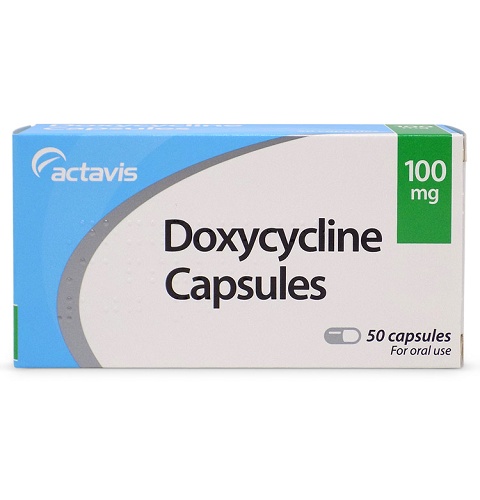
Doxycycline in the United States: Comprehensive Clinical Guide for Safe and Effective Use
Key Takeaways
- Doxycycline is an FDA-approved antibiotic used for a wide range of bacterial infections, including respiratory tract infections, Lyme disease, and certain sexually transmitted infections.
- A prescription is required to obtain Doxycycline in the United States, whether at a local pharmacy or via telehealth services.
- People allergic to tetracyclines, pregnant women, children under 8, and those with specific liver or kidney issues should not use Doxycycline without specialized guidance.
- Most patients begin to notice improvement within 48–72 hours of starting therapy, but completing the full course is essential for effectiveness.
- Photosensitivity (increased sunburn risk) and gastrointestinal upset are among the most frequent side effects.
- Consult a healthcare provider promptly if you experience severe headache, visual changes, or persistent vomiting while taking Doxycycline.
How Does Doxycycline Work in the Body?
Doxycycline is a tetracycline-class antibiotic that acts by inhibiting bacterial protein synthesis. It binds to the 30S ribosomal subunit of susceptible bacteria, blocking the attachment of aminoacyl-tRNA to the A-site of the ribosome during translation. This prevents bacteria from building proteins essential for growth and replication. Importantly, Doxycycline is considered bacteriostatic, meaning it halts bacterial growth and allows the immune system to eliminate the infection, rather than directly killing bacteria.
Metaphor: Imagine Doxycycline as a “lock” on the machinery that helps bacteria grow. It doesn’t destroy the bacteria outright but makes it impossible for them to make new parts, stopping the infection from spreading further.
Doxycycline’s activity extends to a broad spectrum of Gram-positive and Gram-negative bacteria, certain atypical pathogens (e.g., Mycoplasma), and even some protozoa. It does not require any specific patient condition or trigger to be effective—its action depends on sufficient levels in the blood and the presence of susceptible organisms.
Key Point: Doxycycline does not work against viral infections such as colds or COVID-19.
Doxycycline Pharmacokinetics Explained Simply
Absorption: Doxycycline is well-absorbed after oral administration, with peak blood concentrations typically reached within 2–3 hours. Unlike some other tetracyclines, its absorption is less affected by food (but see next section).
Distribution: The drug is distributed widely throughout body tissues and fluids, achieving therapeutic concentrations in the respiratory tract, genitourinary system, skin, and even the central nervous system.
Metabolism: Minimal hepatic metabolism occurs; Doxycycline remains primarily unchanged in plasma.
Elimination: The main route of excretion is via feces (biliary elimination), with a smaller fraction (about 40%) cleared by the kidneys. This dual pathway makes it safer than some antibiotics for people with mild renal impairment.
Half-life: The terminal elimination half-life is typically 18–22 hours in healthy adults, supporting once or twice daily dosing.
Why does this matter? Knowing the half-life and excretion method helps tailor dosing for people with liver or kidney problems.
When Patient Expectations Don’t Match Clinical Reality: A Clinician’s Perspective on Doxycycline Therapy
Patients often expect antibiotics like Doxycycline to provide immediate symptom relief, sometimes within a few hours. In practice, it can take 48 to 72 hours before noticeable improvement occurs, especially for deep-seated infections. Another common misconception is that feeling better means the infection is cured, leading some to stop treatment too early. As a physician, I also see patients rarely ask about photosensitivity or drug interactions, yet these can significantly affect daily life during therapy. Real-world challenges include remembering twice-daily dosing, managing side effects like gastrointestinal upset, and distinguishing between antibiotic failures versus non-infectious causes of symptoms. Ensuring patients understand the importance of completing the full course is essential for preventing antibiotic resistance and recurrence.
How to Take Doxycycline: Dosing, Timing, and Duration
Standard adult dose: For most infections, the initial dose is 100 mg twice daily (every 12 hours), with some conditions starting at 200 mg on day one, then 100 mg daily. For certain conditions, such as acne or malaria prophylaxis, lower doses or once-daily regimens may be prescribed.
- Maximum recommended daily dose: Typically 200 mg per day. Exceeding this increases risk of toxicity.
- Special populations:
- Elderly: No routine dose adjustment if kidney and liver function are normal.
- Renal or hepatic impairment: Caution is advised, but Doxycycline is often preferred over older tetracyclines because it does not accumulate to toxic levels as readily.
- Pediatric use: Contraindicated in children under 8 years due to risk of tooth discoloration and impact on bone growth.
- How long does it take to work? Most patients notice improvement in 2–3 days, but completing the full prescribed course is critical even if symptoms resolve sooner.
- Tablet splitting: Doxycycline tablets are not designed to be split; use the exact dose prescribed by your provider.
Always swallow Doxycycline with a full glass of water and remain upright for at least 30 minutes to avoid esophageal irritation.
Interactions with Food, Alcohol, and Lifestyle Habits
- Food: Doxycycline’s absorption is only slightly reduced when taken with food. However, do not take it with dairy products (milk, cheese, yogurt) or calcium-fortified juices within two hours of dosing. Calcium, magnesium, iron, and aluminum-containing products (including antacids and some multivitamins) can significantly reduce absorption and effectiveness.
- Alcohol: Moderate alcohol consumption does not have a strong direct interaction with Doxycycline, but chronic heavy drinking may reduce its blood levels and effectiveness. As always, excess alcohol can impair immune response and slow recovery.
- Grapefruit juice: There is no clinically significant interaction with Doxycycline.
- Other medications: See compatibility table below.
Key takeaway: Space Doxycycline doses at least two hours before or after taking antacids, iron, or calcium supplements.
Compatibility Check: Doxycycline and Common Products
| Product | Can Be Combined? | Potential Consequences |
|---|---|---|
| Acetaminophen | Yes | No significant interaction |
| Ibuprofen | Yes | No significant interaction |
| Alcohol (moderate) | With caution | Reduced effectiveness if chronic use |
| Calcium supplements | NO | Decreases absorption of Doxycycline |
| Oral contraceptives | With caution | May reduce contraceptive effectiveness |
| Warfarin | With caution | Can increase bleeding risk |
| Antacids | NO | Blocks absorption of Doxycycline |
Contraindications and Red Flags for Doxycycline Use
Absolute Contraindications (never use):
- Known allergy to doxycycline or other tetracyclines (e.g., tetracycline, minocycline).
- Pregnancy, particularly after the first trimester (risk of fetal harm, dental and bone development abnormalities).
- Children younger than 8 years (permanent tooth discoloration, enamel hypoplasia, and bone growth inhibition).
Relative Contraindications (use only with medical supervision):
- Severe hepatic impairment (risk of accumulation and toxicity).
- Myasthenia gravis (may worsen muscle weakness).
- Lupus (rare reports of drug-induced lupus flares).
- Photosensitivity disorders (increased sunburn risk).
- Concurrent use with retinoids (e.g., isotretinoin) due to increased risk of intracranial hypertension (“pseudotumor cerebri”).
Important: After an acute allergic reaction to any tetracycline, Doxycycline should not be used—this includes skin rash, swelling, or anaphylaxis.
What Side Effects Are Most Common with Doxycycline?
Very Common (>1 in 10):
- Gastrointestinal upset (nausea, vomiting, diarrhea, abdominal pain)
- Loss of appetite
- Photosensitivity (increased risk of sunburn)
Common (1–10%):
- Esophagitis and esophageal ulceration (especially if not taken with enough water or lying down after dose)
- Skin rash
- Headache
- Vaginal yeast infection (due to disruption of normal flora)
Rare (0.01–0.1%):
- Elevated liver enzymes and hepatitis
- Blood disorders (such as thrombocytopenia, neutropenia)
- Hypersensitivity reactions (urticaria, angioedema, anaphylaxis)
- Drug-induced lupus or photosensitive lupus rash
Very Rare (<0.01%):
- Intracranial hypertension (severe headache, vision changes)
- Severe blistering skin reactions (Stevens-Johnson syndrome)
- Heart rhythm disturbances (extremely rare)
If side effects occur: For mild symptoms, contact your healthcare provider. Seek immediate medical attention for severe headache, visual changes, persistent vomiting, difficulty breathing, or signs of allergic reaction.
Common Mistakes That Reduce Doxycycline’s Effectiveness or Increase Risk
- Stopping the antibiotic early as soon as symptoms improve—this can lead to relapse or antibiotic resistance. Always finish the full prescribed course, even if you feel better.
- Taking Doxycycline with dairy products or antacids—calcium and magnesium bind to the drug and prevent it from being absorbed, making treatment less effective.
- Lying down immediately after taking the dose—increases the risk of esophageal irritation or ulcers. Stay upright for at least 30 minutes after each dose.
- Skipping doses or forgetting to take at consistent times, which can reduce blood levels below therapeutic thresholds and allow bacteria to survive.
- Exposing skin to sunlight or tanning beds without protection, resulting in severe sunburns due to enhanced photosensitivity from Doxycycline.
- Not informing the doctor of other medications, especially blood thinners (warfarin) or oral contraceptives, where interactions can have serious effects.
Comparison with Alternatives: Is Doxycycline the Best Option?
Doxycycline is one of several antibiotics used for similar infections. Alternatives may be chosen based on specific infection type, patient allergies, and local resistance patterns.
| Drug | Onset Speed | Duration of Action | Common Side Effects | Prescription Required? | Average Cost per Tablet (USD) 2026 |
|---|---|---|---|---|---|
| Doxycycline | 24–48 hours | 18–22 hours (half-life) | GI upset, sunburn | Yes | $0.20–$1.00 (generic) |
| Amoxicillin | 24–48 hours | 1–1.5 hours | Allergy (rash), diarrhea | Yes | $0.10–$0.80 (generic) |
| Azithromycin | 24–48 hours | 68 hours (longest) | GI upset, QT prolongation | Yes | $2.00–$6.00 (generic) |
| Ciprofloxacin | 24–48 hours | 4 hours | Tendon rupture, GI upset | Yes | $0.40–$2.50 (generic) |
Bottom line: Doxycycline is generally less expensive than Azithromycin, and comparable in price to Amoxicillin and Ciprofloxacin. It is preferred in tick-borne diseases and for people allergic to penicillins but may not be suitable for everyone.
Doxycycline: Technical Characteristics
| Available Dose Strengths | 50 mg, 75 mg, 100 mg tablets/capsules |
| Formulations | Tablets, capsules, oral suspension, IV injection (hospital use) |
| Usual Adult Dose | 100 mg twice daily |
| Usual Pediatric Dose | Contraindicated under 8 years; specialist dosing otherwise |
| Time to Peak Effect | 2–3 hours after oral dose |
| Duration of Therapy | Typically 7–14 days (condition-dependent) |
| Storage | Room temperature (20–25°C), away from light and moisture |
| Manufacturer Examples | Vibramycin (Pfizer), multiple generics |
Step-by-Step: How to Obtain Doxycycline Safely in the US
- Step 1: Schedule a Consultation—Book an appointment with your healthcare provider (family doctor, infectious disease specialist, or telehealth service licensed in your state).
- Step 2: Medical Assessment—Your doctor will review your symptoms, medical history, and may recommend laboratory tests to confirm a bacterial infection or rule out contraindications.
- Step 3: Prescription Issued—If Doxycycline is appropriate, your doctor will send a prescription to your chosen pharmacy (brick-and-mortar or legitimate online pharmacy).
- Step 4: Pharmacy Fulfillment—Present your prescription at a licensed pharmacy, where the pharmacist will verify, fill, and counsel you on proper use.
- Step 5: Follow-up—Monitor your symptoms and complete the full course. Report any concerning side effects or lack of improvement to your provider for possible reassessment.
Telehealth platforms must be certified and compliant with federal and state telemedicine laws. Many states allow electronic prescriptions for antibiotics, but always ensure the provider and pharmacy are licensed in the US.
Common Questions Answered by US Doctors
- How will I know if Doxycycline is working?
- Most patients notice improvement in symptoms such as reduced fever, pain, or swelling within 48 to 72 hours. However, it’s important to complete the full course even if you feel better, since infection can persist microscopically even after obvious symptoms resolve.
- What should I do if I miss a dose?
- If you miss a dose, take it as soon as you remember unless it’s almost time for your next dose. In that case, skip the missed dose—don’t double up. Report repeated missed doses to your doctor to ensure treatment remains effective.
- Can Doxycycline interact with my birth control pills?
- Doxycycline may rarely reduce the effectiveness of oral contraceptives. I generally recommend using a backup contraceptive method during and for a week after antibiotic therapy to be safe.
- What labs or monitoring are needed during treatment?
- For short courses in otherwise healthy adults, no routine lab monitoring is generally required. In patients with liver or kidney disease, or on prolonged therapy, your doctor may check organ function and blood counts.
- Do I need to avoid sunlight?
- Yes, Doxycycline can increase your risk of sunburn. Wear protective clothing and sunscreen, and avoid tanning beds for the duration of therapy.
- When should I call my doctor during treatment?
- Contact your doctor if you develop severe headaches, vision changes, persistent vomiting, difficulty breathing, or a rash—these may signal a serious side effect.
- Can I drive or operate machinery while taking Doxycycline?
- Most people remain fully alert on Doxycycline, but if you experience dizziness or vision changes, avoid driving or dangerous machinery and inform your doctor.
- Does Doxycycline treat viral infections or the common cold?
- No. Doxycycline is only effective against bacterial and some atypical or parasitic infections. It will not help with viral illnesses.
How to Identify Legitimate Online Pharmacies in the US
- Check for VIPPS accreditation: The Verified Internet Pharmacy Practice Sites (VIPPS) seal from the National Association of Boards of Pharmacy signals a pharmacy meets US safety and quality standards.
- Verify a US physical address and phone number—legitimate pharmacies always list contact details and state licenses.
- Require a valid prescription: Any pharmacy offering Doxycycline or other prescription medications without an Rx is operating illegally and should be avoided.
- Look for “.pharmacy” domain extensions and double-check the pharmacy’s status on your state’s Board of Pharmacy website.
- Warning signs of unsafe sellers: Unusually low prices, no requirement for prescription, foreign mailing addresses, and lack of clear returns or privacy policies.
- Risks of unregulated sites: Products may be counterfeit, subpotent, expired, or contaminated, putting your health at serious risk.
Consumer Protection: The FDA operates BeSafeRx, a resource for spotting rogue pharmacies and safe practices.
How to Spot Counterfeit Doxycycline and the Role of Generics
- Original packaging: Authentic Doxycycline comes in blister packs or bottles with clear manufacturer branding, NDC (National Drug Code) number, batch number, and expiration date. US brands include Pfizer (Vibramycin) and multiple FDA-approved generics.
- Label details: Legitimate products have consistent fonts, high-quality printing, and tamper-evident seals. Some may include QR codes or holograms for verification (increasingly common by 2026).
- Appearance: Tablets or capsules should match the shape, color, and imprint code listed in the manufacturer’s documentation. No visible powder residue or discoloration.
- Price too low? Unusually cheap Doxycycline could be fake or substandard. If the price is a fraction of US pharmacy prices, be suspicious.
- What are generics? Generic Doxycycline is FDA-approved to be bioequivalent to the original brand. Differences may exist in inactive ingredients (excipients), which very rarely cause allergic reactions.
- Advantages of generics: Lower cost, equal effectiveness, and safety as the brand-name drug if purchased from a licensed US pharmacy.
Never accept open packaging, loose tablets, or products lacking English-language US labeling.
Special Considerations for Specific Patient Groups
- Children: Not recommended under age 8 due to permanent tooth and bone effects.
- Pregnancy and breastfeeding: Should be avoided due to risk of fetal harm and possible transmission through breast milk.
- Liver or kidney disease: Dose adjustment may be needed; regular monitoring is advised for prolonged use.
- Fertility: There is no evidence that Doxycycline affects fertility in men or women at standard doses.
- Driving and machinery: Most people have no impairment, but rare side effects like dizziness or vision changes may make these activities unsafe. If affected, stop and seek medical advice.
What To Do in Case of Doxycycline Overdose
- Stop taking Doxycycline immediately.
- Call 911 or your local emergency number in the United States.
- Inform the medical team about the exact dose, time of ingestion, and your weight/age.
- Keep the medication packaging for identification.
- Do not attempt to induce vomiting unless instructed by a healthcare professional.
Symptoms of overdose can include persistent vomiting, severe diarrhea, confusion, vision changes, or severe allergic reactions.
Quality Check: How Does Authentic Doxycycline Look?
- Tablet/capsule appearance: Consistent shape and color with clear imprint code (check with your pharmacist if in doubt).
- Packaging: Blister packs or bottles with tamper-evident seal, manufacturer name, and lot number.
- US labeling: English-language instructions, FDA NDC number, and expiration date.
- Security features (2026): Most manufacturers now include QR codes or holographic seals—scan to verify via manufacturer’s website.
- If anything looks suspicious, contact your pharmacist or the FDA’s BeSafeRx for guidance.
Myth vs Reality: Doxycycline Use
- Myth: Doxycycline cures infections instantly. Reality: It can take 2–3 days before symptoms improve; full effect relies on completing the prescribed course.
- Myth: It’s safe to take with any over-the-counter supplements. Reality: Calcium, iron, and antacids can prevent the drug from working.
- Myth: If you feel better, you can stop taking it. Reality: Stopping early can lead to resistance and recurrence of infection.
Psychological Support for Patients Facing Infection
Facing a bacterial infection and starting antibiotic therapy can be stressful, but know that millions of Americans successfully recover each year using medications like Doxycycline. If you have concerns or feel anxious about your diagnosis, don’t hesitate to speak with your healthcare provider or a mental health professional—your worries are valid and manageable.
Clinical Assessment by doctor
In my clinical practice, Doxycycline is especially valuable for adults with tick-borne illnesses like Lyme disease, atypical pneumonia, and certain sexually transmitted infections where alternative antibiotics may be less effective or contraindicated. Patients who are allergic to penicillins or cephalosporins often benefit from Doxycycline as a first-line oral alternative. However, it’s not ideal for children under 8 or for pregnant individuals due to the risk of bone and teeth effects. In areas with high resistance rates or for infections with less predictable sensitivity, I may opt for a different agent or seek culture results before starting Doxycycline. Patient education on adherence, sun protection, and avoiding interaction with specific supplements is crucial for optimizing outcomes. When patients do not respond as expected or experience significant side effects, prompt reassessment and possible change of therapy are warranted.
FAQ: Doxycycline Use in the United States
- Do I need a prescription for Doxycycline in the US?
- Yes. Doxycycline is only available with a doctor’s prescription at licensed pharmacies across the United States, including both local and telehealth providers.
- How much does Doxycycline cost?
- Generic Doxycycline typically costs between $0.20 and $1.00 per tablet at US pharmacies as of 2026, depending on insurance and pharmacy. Brand-name products cost more.
- How long should I take Doxycycline for my infection?
- The treatment duration depends on the infection type but most courses range from 7 to 14 days. Your doctor will specify the exact length. Always complete the full course.
- Can I take Doxycycline if I am pregnant?
- No. Doxycycline is contraindicated in pregnancy due to risks to fetal bone and tooth development.
- Is it safe to use Doxycycline with other antibiotics?
- Sometimes, doctors prescribe combination therapy, but this must only be done by a healthcare professional due to potential interactions and overlapping side effects.
- Can Doxycycline be used to treat COVID-19?
- No robust evidence supports Doxycycline for treating COVID-19. Use is not recommended unless treating a secondary bacterial infection and under physician supervision.
- What happens if I get severe sunburn while taking Doxycycline?
- Stop further sun exposure immediately, treat the burn as advised by your provider, and contact your doctor. You may need an alternative antibiotic if reactions are severe.
- Is there a risk of developing antibiotic resistance?
- Yes, especially if you stop treatment early or use antibiotics inappropriately. Always follow your doctor’s instructions to reduce this risk.
- Are there generic versions of Doxycycline in the US?
- Yes. Multiple FDA-approved generics are available and provide the same efficacy and safety as the original brand when purchased from licensed US pharmacies.
- How can I report a suspected counterfeit product?
- Contact your pharmacist and the FDA’s BeSafeRx initiative. Save the packaging and do not use the medication until verified.
References
- U.S. Food and Drug Administration. Drugs@FDA: Doxycycline [Accessed 2026]. https://www.accessdata.fda.gov/scripts/cder/daf/index.cfm?event=overview.process&ApplNo=050578
- Mayo Clinic. Doxycycline (Oral Route) [Accessed 2026]. https://www.mayoclinic.org/drugs-supplements/doxycycline-oral-route/description/drg-20072004
- National Library of Medicine. PubMed—Recent Studies on Doxycycline [Accessed 2026]. https://pubmed.ncbi.nlm.nih.gov/?term=doxycycline
- Centers for Disease Control and Prevention (CDC). Lyme Disease Treatment Guidelines [Accessed 2026]. https://www.cdc.gov/lyme/treatment/index.html
- National Association of Boards of Pharmacy. Find a Safe Pharmacy [Accessed 2026]. https://nabp.pharmacy/programs/accreditations-inspections/vipps/
- FDA BeSafeRx: Your Source for Online Pharmacy Information [Accessed 2026]. https://www.fda.gov/drugs/besaferx-your-source-online-pharmacy-information
- UpToDate. Doxycycline: Drug Information [Accessed 2026]. https://www.uptodate.com/contents/doxycycline-drug-information





- Be Respectful
- Stay Relevant
- Stay Positive
- True Feedback
- Encourage Discussion
- Avoid Spamming
- No Fake News
- Don't Copy-Paste
- No Personal Attacks
- Be Respectful
- Stay Relevant
- Stay Positive
- True Feedback
- Encourage Discussion
- Avoid Spamming
- No Fake News
- Don't Copy-Paste
- No Personal Attacks
