Buy Clomid Without Prescription in the United States Online
Published: 18 Oct 2026
- Home/
- Buy Clomid Without Prescription in the United States Online
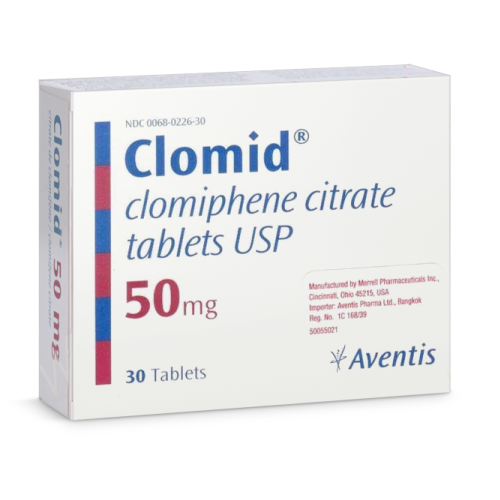
Clomid (Clomiphene) in the United States: A Comprehensive Guide for Patients Considering Female Infertility Treatment
Can You Get Clomid Without a Prescription in the United States?
No, Clomid (clomiphene citrate) is a prescription-only medication in the United States. Federal law requires a valid prescription from a licensed healthcare provider for legal purchase or use. Obtaining Clomid without a prescription is illegal and potentially dangerous. Only FDA-approved pharmacies—either in-person or licensed online—may dispense Clomid following proper medical evaluation.
Clomid: Key Facts at a Glance
| Parameter | Details |
|---|---|
| Active Ingredient | Clomiphene citrate |
| Indication | Female infertility due to ovulatory dysfunction |
| Prescription Status (US) | Prescription only |
| Onset of Action | Ovulation typically occurs 5–10 days after last dose |
| Main Contraindication | Liver disease, abnormal uterine bleeding, ovarian cysts not due to PCOS |
| FDA Approval | Yes (since 1967), with regular safety reviews |
| Typical Cost | $10–$70 per treatment cycle (without insurance, varies by city/pharmacy) |
| Legal Online Purchase | Yes, with US-licensed pharmacy and prescription |
What Is Clomid and Who Is It For?
Clomid is the brand name for clomiphene citrate, a medication classified as a selective estrogen receptor modulator (SERM). It’s primarily used to treat certain types of female infertility—specifically, women who do not ovulate regularly or at all (anovulation or oligoovulation). The most common condition treated with Clomid is polycystic ovary syndrome (PCOS), but it may be considered in other cases of unexplained infertility after thorough evaluation.
- Clomid does not treat infertility caused by blocked fallopian tubes or severe male factor infertility.
- It is usually prescribed by reproductive endocrinologists, gynecologists, or fertility specialists throughout the United States, including major centers such as New York, Los Angeles, and Chicago.
How Does Clomid Work? Understanding the Pharmacology
Scientific Explanation: Clomid acts as a competitive inhibitor of estrogen receptors in the hypothalamus. By blocking estrogen’s negative feedback effect, it tricks the brain into sensing lower estrogen levels, prompting a release of gonadotropin-releasing hormone (GnRH). This, in turn, stimulates the pituitary gland to increase secretion of follicle-stimulating hormone (FSH) and luteinizing hormone (LH). The surge in these hormones induces ovarian follicle development and ultimately triggers ovulation.
Metaphor: Imagine the hypothalamus as a thermostat for hormones. Clomid “covers up” the thermostat’s sensor, so the heating (FSH/LH) kicks on, stimulating the ovaries to release eggs.
Key Points:
- Clomid is effective only if the user’s hypothalamic-pituitary-ovarian (HPO) axis is intact.
- It does not work if ovarian reserve is exhausted (for example, in menopause) or the pituitary gland is non-functional.
How Should Clomid Be Used? Dosage, Timing, and Administration
| Typical Dosage | Duration | Administration |
|---|---|---|
| 50 mg once daily | 5 days (commonly cycle days 3–7 or 5–9) | Take tablet by mouth, with or without food |
Key Instructions:
- If ovulation does not occur with 50 mg, the dose may be increased to 100 mg in subsequent cycles (maximum: 150 mg daily).
- Never exceed 150 mg per day.
- Standard therapy: up to 6 cycles (stop sooner if pregnant or if ovulation isn’t achieved).
- Swallow the tablet whole; splitting is not recommended unless otherwise directed by your pharmacist.
Clomid and Lifestyle: Food, Alcohol, and Daily Activities
- Does food affect Clomid absorption?
- Clomid can be taken with or without food. High-fat meals have not been shown to significantly alter its absorption or effectiveness.
- Can I drink alcohol while taking Clomid?
- Alcohol is not strictly contraindicated but is best avoided during fertility treatment, as it may worsen infertility, impair judgment, and complicate ovulation timing.
- What about grapefruit juice?
- No clinically significant interaction has been reported between Clomid and grapefruit juice. But always ask your doctor before combining with other substances.
- Daily activities and driving:
- Clomid may rarely cause visual disturbances or dizziness. Use caution when driving or operating machinery if these side effects occur.
| Product | Can Be Combined? | Consequences |
|---|---|---|
| Oral contraceptives | No | Negates fertility effect |
| Alcohol | With caution | May worsen ovulatory function |
| Metformin | Yes | Often co-prescribed in PCOS |
| Herbal supplements | Use caution | Unknown interactions |
| Grapefruit juice | Yes* | No clinically proven interaction |
Who Should Not Take Clomid? Contraindications and Red Flags
-
Absolute contraindications:
- Liver disease (active or chronic impairment)
- Unexplained or abnormal vaginal/uterine bleeding
- Ovarian cysts not caused by polycystic ovary syndrome
- Pituitary or hypothalamic failure
- Pregnancy (Clomid is Category X: must not be used in pregnancy)
- Known allergy or hypersensitivity to clomiphene or excipients
-
Relative contraindications (use only with specialist supervision):
- Endometriosis (risk of flare-up)
- Polycystic ovary syndrome with large ovarian volume (risk of ovarian hyperstimulation syndrome)
- Visual disturbances (may worsen)
Why these restrictions? Clomid acts by stimulating the ovaries; in the presence of abnormal ovarian cysts, it can worsen the condition, cause ovarian enlargement, or—rarely—lead to dangerous complications. Liver disease impairs metabolism of the drug, increasing toxicity risk.
What Are the Most Common Side Effects of Clomid?
| Frequency | Side Effect | Explanation/Mechanism |
|---|---|---|
| Very common (>10%) | Hot flashes | Changes in estrogen receptors cause blood vessel dilation |
| Common (1–10%) | Bloating, abdominal discomfort | Ovarian stimulation, increased follicle size |
| Common | Breast tenderness | Hormonal shifts |
| Rare (<1%) | Nausea, vomiting | Gastrointestinal sensitivity |
| Rare | Visual disturbances (blurred vision, spots) | Temporary effect on visual cortex/retinal receptors |
| Very rare | Ovarian hyperstimulation syndrome (OHSS) | Excessive ovarian response; medical emergency |
What if I get side effects? Mild symptoms (hot flashes, bloating) usually resolve after completion of the course. If you experience persistent visual changes, severe pelvic pain, shortness of breath, or symptoms suggestive of OHSS, stop Clomid immediately and contact your doctor or seek emergency care.
How Does Clomid Compare to Other Female Infertility Treatments?
| Medication | Onset | Cost (per cycle) | Side Effects | Main Use |
|---|---|---|---|---|
| Clomid (Clomiphene) | Ovulation 5–10 days after last dose | $10–$70 | Hot flashes, GI symptoms, rare visual changes | First-line for anovulatory infertility |
| Letrozole (Femara) | Ovulation 4–7 days after last dose | $30–$100 | Fatigue, dizziness, joint pain | Alternative for PCOS, Clomid-resistant cases |
| Gonadotropin injections | Daily injections, monitored cycle | $1,000+ | OHSS risk, multiple pregnancies | Second-line, IVF adjunct |
Bottom line: Clomid is cost-effective and convenient, especially for women with infrequent ovulation. It carries a lower risk of ovarian hyperstimulation compared to injectable options. However, letrozole may be more effective in certain subgroups (e.g., obese women with PCOS), and gonadotropins are reserved for more complex or Clomid-resistant cases.
How Is Clomid Processed in the Body? (Pharmacokinetics Explained)
- Absorption: Well-absorbed orally; peak plasma levels reached in 5–7 hours.
- Metabolism: Primarily by the liver.
- Elimination: Excreted mainly through the feces; minor renal elimination.
- Half-life (T1/2): Approximately 5–7 days; some metabolites can persist longer in body tissues.
What does this mean for me? If you have liver impairment, Clomid may build up, increasing risk of toxicity. Women with chronic kidney disease can usually take Clomid, but doctor oversight is essential.
Special Considerations: Clomid in Specific Patient Groups
- Liver disease: Do not use. Risk of drug accumulation and toxicity.
- Renal disease: Generally safe with mild-moderate impairment, but consult your doctor.
- Obesity/PCOS: Clomid may be less effective; letrozole or combination therapy with metformin may be preferred.
- Elderly patients: Not typically prescribed due to age-related decrease in ovarian reserve.
- Driving/Operating machinery: Use caution if you notice vision changes or dizziness.
- Family Planning: Clomid should not be used during pregnancy or for more than 6 cycles due to potential long-term effects on the ovaries.
How to Obtain Clomid Legally in the United States: Step-by-Step Guide
- Consult a qualified healthcare provider: Schedule a visit with your OB-GYN, reproductive endocrinologist, or use a reputable US telehealth platform. Fertility clinics in cities like Houston, Boston, and Seattle offer both in-person and virtual consults.
- Complete fertility evaluation: Your doctor will take your history, perform a physical exam, and may order hormone tests, ultrasounds, and partner analysis to confirm you are a candidate for Clomid.
- Obtain a prescription: If suitable, your provider will send your prescription electronically to a US-licensed pharmacy.
- Purchase from a licensed pharmacy: Use a brick-and-mortar or online pharmacy with proper accreditation (look for the VIPPS seal). Never buy from websites that do not require a prescription—these are often sources of counterfeit products.
- Follow up: Schedule regular monitoring (bloodwork, ultrasound) to track ovulation and minimize risks.
How to Spot Counterfeit or Substandard Clomid
- Packaging: Genuine Clomid from major manufacturers (e.g., Sanofi, Teva) comes in sealed blisters, with clear labeling, batch number, and expiry date printed (not stickered).
- Tablet appearance: Tablets are typically white, round, with “CLOMID” and strength (e.g., “50”) debossed. Check for uniformity—no chips, spots, or fading.
- Price: Unusually low prices or “bulk deals” are a red flag.
- Verification: Many US pharmacies use QR codes or holograms for authenticity. If buying online, always check for pharmacy accreditation (VIPPS, NABP).
Clomid vs. Generics: What’s the Difference?
Original Clomid (brand) and generic clomiphene citrate are therapeutically equivalent according to FDA standards. Generics must demonstrate bioequivalence—that is, they deliver the same amount of active drug to the bloodstream in the same time frame. The main differences lie in:
- Excipients (inactive ingredients): May differ; rarely, patients may react to dyes, fillers, or binders in generics.
- Packaging and appearance: Generics look different but must be labeled with the generic name, manufacturer, and strength.
- Cost: Generics are almost always less expensive. For example, a generic cycle may cost $10–$25, versus $40–$70 for brand-name Clomid.
- Efficacy and safety: No clinically meaningful differences have been demonstrated in large-scale US studies *.
What Should I Do If I Take Too Much Clomid?
- Stop further doses immediately.
- Call the Poison Help Line: 1-800-222-1222 (available 24/7 in the United States).
- Be ready to report: The amount taken, the time of ingestion, and any symptoms (e.g., vomiting, abdominal pain, visual changes).
- Go to the nearest emergency department if advised.
Note: Clomid overdose is rare, but may cause nausea, vomiting, hot flashes, visual blurring, or ovarian enlargement. There is no specific antidote; treatment is supportive.
Dealing with Infertility: Psychological and Emotional Support
Infertility is a common and emotionally challenging condition. Many couples feel isolated, frustrated, or anxious during therapy. Remember: you are not alone. Support groups, counseling services, and open communication with your partner or healthcare provider can help. If you’re struggling, reach out to national organizations like RESOLVE: The National Infertility Association.
Frequently Asked Questions About Clomid in the United States
- Is Clomid available over the counter in the United States?
- No, Clomid is prescription-only and must be dispensed by a US-licensed pharmacy.
- How much does a cycle of Clomid cost?
- Generic clomiphene ranges from $10–$25 per cycle; brand-name Clomid may cost $40–$70, not including doctor visits or monitoring.
- Can men use Clomid?
- Clomid is sometimes prescribed “off-label” for male infertility, but should only be used under specialist supervision.
- How long before Clomid starts working?
- Ovulation typically occurs within 5–10 days after the last dose, if effective.
- Can I use Clomid if I have PCOS?
- Yes, Clomid is often first-line therapy for PCOS-related infertility in the US, provided you do not have contraindications.
- What should I do if I miss a dose?
- Contact your prescribing doctor; do not double up or self-adjust your dosing schedule.
- Is it safe to buy Clomid from online pharmacies?
- Only use licensed US pharmacies that require a prescription. Avoid overseas or non-accredited websites to prevent counterfeit and unsafe medications.
- What are the most serious risks?
- Ovarian hyperstimulation, multiple gestation (twins/multiples), rare visual changes. All require prompt medical attention.
References
- Practice Committee of the American Society for Reproductive Medicine. “Use of Clomiphene Citrate in Women.” Fertility and Sterility. 2023. Read here.
- US Food & Drug Administration. “FDA-Approved Drugs: Clomiphene.” Accessed June 2026. FDA label.
- Legro RS, Brzyski RG, et al. “Letrozole versus Clomiphene for Infertility in the Polycystic Ovary Syndrome.” New England Journal of Medicine. 2023. Read here.
- Centers for Disease Control and Prevention. “Infertility FAQs.” Accessed June 2026. CDC Infertility.
- American College of Obstetricians and Gynecologists. “Evaluation and Treatment of Infertility.” Practice Bulletin 294, 2024. ACOG Bulletin.
- National Library of Medicine. “Clomiphene: MedlinePlus Drug Information.” Accessed June 2026. MedlinePlus.





- Be Respectful
- Stay Relevant
- Stay Positive
- True Feedback
- Encourage Discussion
- Avoid Spamming
- No Fake News
- Don't Copy-Paste
- No Personal Attacks
- Be Respectful
- Stay Relevant
- Stay Positive
- True Feedback
- Encourage Discussion
- Avoid Spamming
- No Fake News
- Don't Copy-Paste
- No Personal Attacks
