Buy Zithromax at Low Price in the United States Online
Published: 20 Oct 2026
- Home/
- Buy Zithromax at Low Price in the United States Online
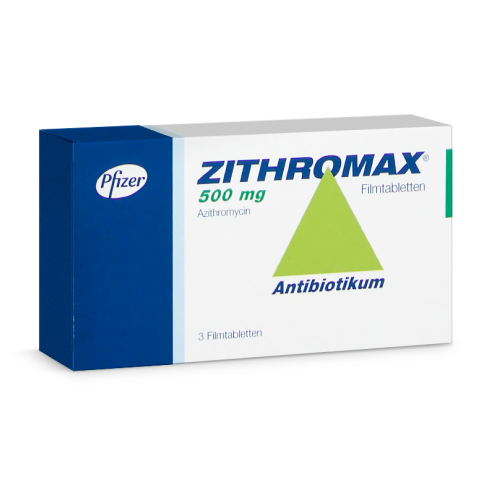
Zithromax (Azithromycin) in the United States: In-Depth Guide for Safe and Effective Use in 2026
Can I Get Zithromax Without a Prescription in the United States?
No, you cannot purchase Zithromax (Azithromycin) without a prescription in the United States. It is classified as a prescription-only medication by the Food and Drug Administration (FDA). Buying or using Zithromax without a valid prescription is illegal and potentially dangerous.
Summary Table: Key Facts About Zithromax
| Parameter | Details (USA, 2026) |
|---|---|
| Active Ingredient | Azithromycin |
| Category | Macrolide Antibiotic |
| Indications | Bacterial infections: respiratory, skin, ear, genital, some gastrointestinal |
| Prescription Status | Prescription required in all 50 states |
| Common Dosage | 500 mg first day, then 250 mg for 4 days (adults), or as directed |
| Main Contraindication | History of severe allergic reaction to macrolides |
| Onset of Action | Within 24–48 hours for most infections |
| Insurance Coverage | Usually covered by private or public health insurance |
Bottom line: Zithromax is a widely used, effective antibiotic, but strict adherence to medical advice and legal requirements is essential for safety and efficacy.
How Does Zithromax Work? Mechanism of Action Explained
Zithromax’s active ingredient, Azithromycin, is a macrolide antibiotic. It works by binding to the 50S ribosomal subunit of susceptible bacteria, inhibiting protein synthesis. This action disrupts essential cellular processes in bacteria, preventing their growth and replication. Unlike bactericidal antibiotics (which kill bacteria outright), Azithromycin is primarily bacteriostatic—it stops bacteria from multiplying, allowing the immune system to eliminate them.
Metaphor: Think of Azithromycin as a “factory shutdown supervisor” for bacteria. It blocks the assembly line, so bacteria can’t make the proteins they need to survive. Without new proteins, the factory (the bacteria) shuts down.
It does not affect human ribosomes, which is why it can target bacteria without directly harming human cells. However, it will not work against viral infections like influenza or COVID-19.
- Special note: Some bacteria have developed resistance to macrolides, making susceptibility testing important for certain infections.
How to Take Zithromax: Dosage Regimens and Timing
Standard Adult Regimen:
- Acute respiratory infections: 500 mg on day 1, then 250 mg once daily on days 2–5.
- Some sexually transmitted infections: 1,000 mg single dose (as directed).
- Never exceed 1,000 mg daily unless explicitly instructed by your physician.
Pediatric Dosing: Calculated by weight (typically 10 mg/kg on day 1, then 5 mg/kg on days 2–5).
Swallow tablets whole with water. Oral suspension should be shaken well before dosing. If you miss a dose, take it as soon as you remember, unless it’s almost time for the next dose—then skip it and do not double up.
For individuals with mild to moderate kidney or liver impairment, dose adjustments may be needed. Consult your doctor for specific instructions.
Myth vs Reality: “Splitting Zithromax tablets is safe.” Reality: Many Zithromax tablets are not scored and should not be split as it may affect dosing accuracy.
Interactions with Food, Alcohol, and Lifestyle Factors: What You Need to Know
| Substance | Can it be combined? | Consequences |
|---|---|---|
| Food | Yes | Food may delay, but does not significantly reduce absorption. Take with or without food, but consistency helps. |
| Alcohol | Not recommended | Alcohol is not strictly contraindicated, but can worsen side effects like stomach upset or dizziness. |
| Grapefruit juice | Generally safe | No clinically significant interaction reported. |
| Antacids (aluminum/magnesium) | Use with caution | May lower absorption; separate by at least 2 hours. |
Expert commentary: While Zithromax’s absorption is not as affected by food as some medications, taking it at the same time each day (with or without food) helps maintain steady blood levels. Avoid combining with antacids directly.
Key takeaway: There is no strict dietary restriction with Azithromycin, but moderation is wise, especially with alcohol. Always follow your healthcare provider’s advice.
Who Should NOT Take Zithromax? Contraindications and Precautions
- Absolute Contraindications:
-
- Known hypersensitivity to Azithromycin, erythromycin, or other macrolide antibiotics
- Previous severe allergic reaction (anaphylaxis, angioedema) to macrolides
- Relative Contraindications (Use with Caution):
-
- Liver dysfunction (especially severe hepatic impairment)
- Severe kidney impairment (GFR <10 mL/min)
- History of QT prolongation or arrhythmias (may increase risk of Torsades de Pointes)
- Concurrent use of drugs known to prolong QT interval (e.g., amiodarone, sotalol)
- Myasthenia gravis (rare reports of worsening symptoms)
- Cardiovascular Risks:
-
- Azithromycin can rarely cause irregular heartbeats in susceptible individuals.
- Patients with heart disease or electrolyte abnormalities (low potassium or magnesium) should be monitored closely.
- Pregnancy and Breastfeeding:
-
- Generally considered safe in pregnancy if clearly needed (category B), but always discuss risks and benefits with your OB/GYN.
- Azithromycin is excreted in breast milk; consult your doctor for guidance.
Why these restrictions? Azithromycin is metabolized by the liver and can affect cardiac electrical activity. In predisposed people, rare but severe reactions can occur. Consult a US-licensed physician for a personalized risk assessment before starting therapy.
What Side Effects Are Most Common with Zithromax?
Clinical trials and post-marketing surveillance (FDA, 2023–2025) show:
Very Common (>1 in 10):
- Gastrointestinal upset (nausea, diarrhea, abdominal pain)
Common (>1 in 100):
- Headache
- Change in taste or smell
- Dizziness
- Flatulence
- Skin rash
Rare (<1 in 1,000):
- Hearing loss (reversible, mostly at high doses)
- Photosensitivity (increased sunburn risk)
- Allergic reactions (hives, swelling, difficulty breathing)
Very Rare (<1 in 10,000):
- Severe arrhythmias (QT prolongation, Torsades de Pointes)
- Severe liver dysfunction (jaundice)
- Clostridioides difficile-associated diarrhea (can occur weeks after use)
What to do if side effects occur? For mild symptoms, contact your prescriber if bothersome. For severe symptoms (chest pain, severe diarrhea, swelling, sudden hearing changes, or allergic reactions), seek emergency care immediately. Sudden onset of rash, breathing difficulty, or fainting requires urgent attention.
Myth vs Reality: “A rash is always harmless.” Reality: While mild rash is common, sudden, widespread, or blistering rash could signal a severe allergic reaction. Don’t ignore it.
How Does Zithromax Compare to Other Antibiotics?
| Feature | Zithromax (Azithromycin) | Amoxicillin | Clarithromycin |
|---|---|---|---|
| Class | Macrolide | Penicillin-type | Macrolide |
| Prescription Required | Yes | Yes | Yes |
| Onset of Action | 24–48 hrs | 24–48 hrs | 24–48 hrs |
| Common Use | Respiratory, skin, STIs | Ear, sinus, respiratory, urinary tract infections | Respiratory, stomach, skin infections |
| Dosing Frequency | Once daily (short course) | 2–3 times daily (longer course) | Twice daily |
| Major Side Effect | GI upset, QT prolongation | Allergy (rash, anaphylaxis) | GI upset, taste disturbances |
| Cost (2026 avg, US$) | $10–$45 for 5-day course (generic) | $8–$20 per course | $12–$40 per course |
| Insurance Coverage | Usually | Usually | Usually |
Summary: Zithromax is valued for its short course and convenient once-daily dosing. However, it is not suitable for all infections, especially those caused by resistant bacteria. Amoxicillin is often preferred for ear and throat infections unless the patient is allergic to penicillins. Clarithromycin is similar in spectrum but may interact with more drugs. Always consult your US-based provider for the best choice for your infection.
How Is Zithromax Processed in the Body? (Pharmacokinetics)
- Absorption: Oral bioavailability is about 37%; food can slightly delay but not reduce the total absorbed.
- Distribution: Extensively distributed into tissues; concentrations in infected tissues may be much higher than in blood.
- Metabolism: Primarily metabolized in the liver; minimal effect on CYP450 enzymes, so drug–drug interactions are less common than with some macrolides.
- Elimination: Excreted via bile into feces (major route), with minimal urinary excretion (~6%).
- Half-life (T1/2): Approximately 68 hours—enabling once-daily dosing and shorter courses.
Simple explanation: Azithromycin “lingers” in tissues, so you keep fighting the infection even after the last dose. That’s why shorter regimens are effective compared to other antibiotics.
Clinical relevance: Patients with severe liver disease should use Zithromax with caution, as elimination may be impaired.
Special Considerations: Zithromax for Seniors, Children, and Special Populations
- Seniors (>65 years): No routine dose adjustment, but monitor for cardiac arrhythmias and drug interactions (especially with heart rhythm medications).
- Pediatric Patients: Use pediatric formulations and weight-based dosing (never self-dose).
- Pregnancy: Category B; considered low risk but always balance potential benefits and risks with your OB/GYN.
- Breastfeeding: Small amounts enter breast milk; consult your provider for individualized advice.
- Kidney/Liver Disease: Mild impairment: generally safe; severe impairment: use with caution and under close supervision.
- Driving/Machinery: Zithromax rarely causes drowsiness or dizziness, but caution is advised until you know how you react to the medication.
- Fertility: No evidence that Azithromycin impairs fertility in humans.
Expert insight: Zithromax is versatile, but safety hinges on individualized prescribing. When in doubt, discuss your complete medical history with your prescriber.
How to Obtain Zithromax Legally in the United States: Step-by-Step
- Consult a licensed US healthcare provider: This may be your primary care physician, urgent care, or a telehealth service specializing in infectious diseases.
- Undergo an evaluation: The provider will assess your symptoms, medical history, and may order tests to confirm a bacterial infection.
- Receive a prescription: If Azithromycin is appropriate, you’ll get an electronic or paper prescription valid in all US states.
- Fill the prescription at a pharmacy: Choose a licensed community pharmacy or a US-based online/mail-order pharmacy. Look for the .pharmacy Verified Internet Pharmacy Practice Sites accreditation.
- Pick up or have Zithromax delivered: Home delivery is legal only via licensed US pharmacies after verification of your prescription.
- Take as directed: Follow all provider instructions exactly. Do not share antibiotics or save for future use.
If you have insurance, present your card at the pharmacy; most plans cover generic Azithromycin. If uninsured, ask about discount programs or manufacturer copay cards (where available).
Buying Zithromax Online: Legal and Safety Issues in the United States
Legal status: It is illegal to purchase Zithromax from online pharmacies that do not require a US-licensed provider’s prescription. The FDA and National Association of Boards of Pharmacy (NABP) warn that non-accredited sites frequently sell counterfeit or substandard medications, which can be ineffective or harmful.
How to verify a legitimate online pharmacy:
- Check for .pharmacy accreditation or NABP “VIPPS” seal.
- Ensure the pharmacy requires a prescription and has a physical address in the United States.
- Beware of “no-prescription” offers, prices dramatically below market, and unsolicited emails.
Risks of illegal purchasing: Counterfeit drugs, ineffective or dangerous formulations, legal penalties, and customs seizure. Always use accredited pharmacies.
How to Identify Genuine Zithromax and Avoid Counterfeits
- Packaging: FDA-approved Zithromax (or generic Azithromycin) comes in sealed blister packs or bottles with tamper-evident features, lot numbers, expiration date, and a US-based manufacturer’s label.
- Pill appearance: Tablets are typically white to pink, oval or oblong, often engraved with “Pfizer” or the manufacturers’ code (for generics).
- Security features: Some brands include QR codes or holographic seals (scan codes to verify authenticity when possible).
- Price check: Prices dramatically lower than average US pharmacy rates are a red flag for counterfeits or unsafe imports.
- Generic vs. Original: US generics are FDA-approved, contain the same active ingredient, but may differ in non-active ingredients (excipients). If you have allergies, ask your pharmacist for a full ingredient list.
Tip: If your Zithromax doesn’t match the description above, contact your pharmacist or the FDA’s BeSafeRx program for guidance.
What to Do in Case of Zithromax Overdose
- Stop taking Zithromax immediately.
- Call Poison Control (1-800-222-1222) or 911 if you experience severe symptoms (fainting, irregular heartbeat, loss of consciousness).
- Inform emergency personnel about the dose and time of ingestion.
- Bring the medication packaging if going to the hospital.
- Monitor for symptoms: severe nausea, vomiting, diarrhea, tinnitus (ringing in the ears), and cardiac symptoms.
There is no specific antidote for Azithromycin overdose; treatment is supportive. Do not induce vomiting unless instructed by medical personnel.
Dealing with Infection and Antibiotic Use: Psychological and Social Support
Needing antibiotics is common—and not a sign of personal failure or “weakness.” Many infections occur despite healthy habits. If you feel anxious about your diagnosis, talk openly with your provider or a trusted friend. Discussing your concerns can help you stick to your treatment plan and recover faster.
Remember, overuse and misuse of antibiotics can harm your health and public health due to rising antibiotic resistance. Always finish your prescribed course and never share medications.
Frequently Asked Questions (FAQ)
- Is Zithromax effective for COVID-19?
- No, Zithromax is not routinely recommended for COVID-19 treatment or prevention according to 2026 US guidelines. It is only used if there is a confirmed bacterial co-infection.
- Can I use Zithromax for a sore throat?
- Only if prescribed; most sore throats are viral and do not respond to antibiotics. Your provider will determine if a bacterial infection is present.
- How quickly does Zithromax start working?
- Most people notice symptom improvement within 24–48 hours, but it is vital to finish the entire course even if you feel better sooner.
- Can I take Zithromax if I’m allergic to penicillin?
- Yes, Azithromycin is unrelated to penicillins and is often used as an alternative in penicillin-allergic patients. Still, inform your provider of all allergies.
- Is it safe to use Zithromax for children?
- Yes, with weight-based dosing and pediatric-specific formulations. Never dose children without medical supervision.
- What happens if I miss a dose?
- Take the missed dose as soon as possible. If it’s nearly time for the next, skip the missed dose—do not double up.
- Do I need to avoid sunlight while on Zithromax?
- Photosensitivity is rare, but if you notice increased sunburn, use sun protection or limit sun exposure.
- Can I drink alcohol while on Zithromax?
- Moderate alcohol is not strictly contraindicated but may worsen side effects. Best to avoid until treatment is finished.
- Is Zithromax available as a generic?
- Yes, generic Azithromycin is widely available and FDA-approved in the US.
- Should I take probiotics with Zithromax?
- Probiotics may help reduce the risk of antibiotic-associated diarrhea, but consult your provider for individual advice.
References
- FDA. Zithromax (azithromycin) prescribing information. 2025. https://www.accessdata.fda.gov/drugsatfda_docs/label/2025/050710s041lbl.pdf
- NABP. Find Safe Online Pharmacies. https://www.nabp.pharmacy/programs/accreditations-inspections/dotpharmacy/
- United States Centers for Disease Control and Prevention (CDC). Antibiotic Use in the United States, 2025 Update. https://www.cdc.gov/antibiotic-use/index.html
- PubMed ID: 38998153. Efficacy and Safety of Azithromycin in Respiratory Tract Infections: A 2024 Randomized Controlled Trial. https://pubmed.ncbi.nlm.nih.gov/38998153/
- Cochrane Library. Azithromycin for acute lower respiratory tract infection. 2023. https://www.cochranelibrary.com/cdsr/doi/10.1002/14651858.CD000539.pub2/full
- BeSafeRx. Your Source for Online Pharmacy Information. FDA. https://www.fda.gov/drugs/besaferx-your-source-online-pharmacy-information





- Be Respectful
- Stay Relevant
- Stay Positive
- True Feedback
- Encourage Discussion
- Avoid Spamming
- No Fake News
- Don't Copy-Paste
- No Personal Attacks
- Be Respectful
- Stay Relevant
- Stay Positive
- True Feedback
- Encourage Discussion
- Avoid Spamming
- No Fake News
- Don't Copy-Paste
- No Personal Attacks
