Buy Propecia Online in the United States Securely and Easily
Published: 20 Oct 2026
- Home/
- Buy Propecia Online in the United States Securely and Easily
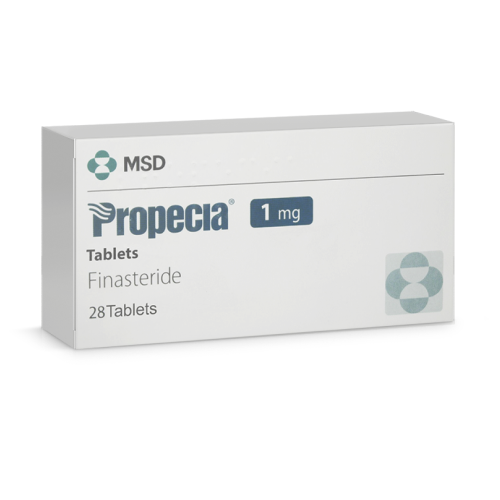
Propecia (Finasteride) in the United States: Complete Expert Guide 2026
Can You Get Propecia Without a Prescription in the United States?
No, Propecia (finasteride) is available only with a valid prescription in the United States. Buying or possessing Propecia without a prescription violates federal law and may put your health and legal status at risk.
Quick Facts: Propecia in the United States (2026)
- Active ingredient: Finasteride 1 mg
- Primary use: Male pattern hair loss (androgenetic alopecia)
- Prescription required: Yes, in all 50 states
- Effect onset: Typically 3–6 months for visible results
- Main contraindication: Use in women or children; active liver disease
- Common side effects: Decreased libido, erectile dysfunction, mood changes
- FDA status: First approved; generics available since patent expiry
- Insurance coverage: Often considered cosmetic; rarely reimbursed
How Does Propecia Work? Explaining the Science
Propecia’s active ingredient, finasteride, is a selective inhibitor of the enzyme type II 5α-reductase. This enzyme converts testosterone into dihydrotestosterone (DHT), a hormone that shrinks hair follicles and is the primary driver of male pattern baldness.
In essence: Propecia reduces DHT levels in the scalp by about 60–70%, slowing hair loss and often stimulating regrowth in genetically predisposed men.
This action is reversible: if you stop taking Propecia, DHT returns to baseline, and any hair growth benefits gradually diminish. The drug acts independently of lifestyle factors—no special triggers or conditions are needed for it to work, but optimal results depend on consistent, long-term use.
Visual metaphor: Imagine DHT as a “hair shrink ray.” Propecia turns down the power of that ray, letting follicles recover.
Key fact: Propecia does not directly affect testosterone levels in the blood; it specifically targets the DHT conversion pathway.
Recent clinical trial: A 2024 randomized, double-blind study (source) involving 500 men showed that 84% experienced increased or stabilized hair count after 12 months of daily Propecia.
How Should You Take Propecia? Dosage, Timing, and Peak Effects
| Parameter | Recommendation |
|---|---|
| Starting dose | 1 mg tablet once daily |
| Time of day | Any (morning or evening), with or without food |
| Duration for visible effect | 3–6 months; maximum benefit at 12 months |
| Maximum dose | Never exceed 1 mg/day for hair loss treatment |
| Tablet splitting | Not recommended; tablets are film-coated to prevent contact with active ingredient |
| Missed dose | Take as soon as remembered, but do not double dose |
| Duration of benefit | Ongoing; benefits reverse over 6–12 months after stopping |
Commentary: For most adults, no dose adjustments are needed based on age or mild kidney/liver disease, but your doctor may advise differently in certain cases. Do not crush or split tablets—finasteride can be absorbed through the skin, posing risks especially to women and children.
Food, Alcohol, and Lifestyle: What Affects Propecia’s Action?
- With food?
- Propecia can be taken with or without food. High-fat meals do not significantly affect absorption.
- Alcohol?
- Moderate alcohol use is unlikely to impact effectiveness or safety. However, excessive drinking can worsen side effects like depression or liver strain. If you have liver issues, discuss alcohol use with your doctor.
- Grapefruit or other juices?
- No known interaction between finasteride and grapefruit juice as of 2026.
- Supplements and vitamins?
- No direct interactions, but always check with your pharmacist before combining new supplements.
Myth: Skipping a meal reduces Propecia’s effectiveness.
Reality: Food intake does not meaningfully alter drug absorption.
Who Should Avoid Propecia? Absolute and Relative Contraindications
| Absolute Contraindications | Relative Contraindications |
|---|---|
|
|
Why? Women and children are at risk of serious birth defects and hormonal disruption from exposure (even touching crushed tablets is unsafe). In liver disease, slower drug breakdown can lead to side effects. Propecia can artificially lower PSA (prostate-specific antigen), which can interfere with prostate cancer screening.
What Side Effects Are Most Common With Propecia?
Very Common (>1/10):
- Decreased libido
Common (1/100 – 1/10):
- Erectile dysfunction
- Difficulty achieving orgasm
- Breast tenderness or enlargement (gynecomastia)
- Mood changes, including depression
Rare (<1/1,000):
- Allergic reactions (rash, swelling of lips/face)
- Testicular pain
- Male breast cancer (isolated case reports; no clear causality)
Very Rare (<1/10,000):
- Persistent sexual side effects after stopping (so-called “post-finasteride syndrome,” still debated in scientific circles)
- Severe mood or anxiety changes
Mechanism: Most sexual side effects are linked to reduced DHT’s role in sexual function. Mood effects may be due to hormonal changes in the brain, though definitive evidence is limited.
What to do if you experience side effects?
- Do not stop medication abruptly without consulting your doctor.
- Report persistent or severe symptoms promptly—your doctor may recommend dosage adjustment or alternative therapies.
- Seek emergency help for signs of allergic reaction (difficulty breathing, swelling of face/lips, severe rash).
Propecia vs Alternatives: Which Option Fits You Best?
| Drug/Product | Mechanism | Form | Prescription | Onset | Common side effects | Typical monthly cost (USD) |
|---|---|---|---|---|---|---|
| Propecia (Finasteride) | DHT inhibitor | Oral tablet | Yes | 3–6 months | Sexual, mood changes | $15–$70 (generic) |
| Minoxidil (Rogaine®) | Vasodilator | Topical solution or foam | No (OTC) | 4–6 months | Scalp irritation | $20–$50 |
| Dutasteride (Avodart®; off-label for hair loss) | DHT inhibitor (broader) | Oral capsule | Yes | Similar to finasteride | Sexual, risk of more systemic effects | $90–$140 (generic) |
| Hair Transplant | Surgical relocation | Surgery | Consultation required | Immediate (results over months) | Surgical risks, scars | $4,000–$15,000 |
Commentary: Propecia is the only oral DHT blocker FDA-approved for male pattern baldness. Minoxidil is topical, non-hormonal, and works for both men and women, but with variable results. Dutasteride is stronger, but not FDA-approved for hair loss and may have more side effects. Transplants are permanent, but invasive and expensive.
Propecia: Key Characteristics Table
| Active ingredient | Finasteride 1 mg |
| Primary indication | Male androgenetic alopecia (hair loss), FDA-approved |
| Formulation | Oral, film-coated tablet |
| Peak plasma time | 1–2 hours after ingestion |
| Half-life (T1/2) | 5–6 hours (elderly: up to 8 hours) |
| Metabolism | Mainly liver (CYP3A4 pathway) |
| Elimination | Urine (39%), feces (57%) |
| Impact on driving | No known effect |
How to Obtain Propecia Legally in the United States: Step by Step
- Consult a healthcare provider (MD, DO, or licensed telehealth practitioner):
Schedule an in-person visit or use a reputable telemedicine platform. Some major providers: Teladoc, Amwell, or local health networks (e.g., Mount Sinai Telehealth in New York, Stanford Health in California). - Assessment: Your doctor will evaluate your hair loss pattern, medical history, and screen for contraindications.
- Prescription: If appropriate, you’ll receive an electronic or paper prescription. This can be sent directly to a pharmacy of your choice.
- Fill your prescription: Use a licensed U.S. pharmacy (CVS, Walgreens, Rite Aid, or a state-licensed online pharmacy). Present valid ID if required.
- Follow up: Schedule a follow-up appointment after 3–6 months to monitor effectiveness and check for side effects.
Tip: Many telehealth services in the United States can issue prescriptions for Propecia after a video consult, often with same-day pharmacy pickup or mail delivery. Always ensure the pharmacy is licensed in your state—check with the National Association of Boards of Pharmacy.
Is It Legal to Buy Propecia Online in the United States?
Yes, but only with a valid prescription and from a U.S.-licensed pharmacy. Importing or purchasing Propecia from non-licensed foreign websites is illegal and puts you at risk for counterfeit products, customs seizure, and prosecution.
Signs of legitimate pharmacies:
- They require a doctor’s prescription
- They display a .pharmacy domain or NABP accreditation
- They provide a U.S. address and phone number
- Prices are not “too good to be true”
Never buy from sites that:
- Do not require a prescription
- Ship from outside the United States without transparency
- Offer “bulk deals,” “starter packs,” or accept only cryptocurrency payments
Spotting Counterfeit Propecia: How to Protect Yourself
- Packaging: U.S. Propecia comes in tamper-evident, blister-packed strips labeled “Propecia” with the manufacturer (Merck) or a licensed generic producer clearly displayed.
- Tablet: Film-coated, round, tan tablets with “MSD 72” or equivalent engraving for generics (check the pharmacy’s website for local markings).
- Price: Unusually low prices are often a red flag for counterfeit or foreign product.
- Security features: QR codes, holograms, or unique lot numbers may be present; check your pharmacy’s authentication guidance.
Generics: FDA-approved generics contain the same active ingredient but may differ in shape, color, or excipients (inactive ingredients). Ask your pharmacist if you are unsure.
- Sealed, undamaged packaging
- Consistent, high-quality printing on box and blister
- Clear manufacturer’s contact info
- U.S. pharmacy receipt (for proof of origin)
Propecia Brand vs Generics: Safety, Savings & Excipients
After Propecia’s patent expired, multiple FDA-approved generics became available. These contain 1 mg finasteride and are tested for bioequivalence, meaning they work the same way as the original. The main differences?
- Cost: Generics typically cost $15–$30/month compared to $60–$100 for brand-name Propecia.
- Excipients: Inactive ingredients (binders, coloring agents) may vary; check the product insert if you have allergies (lactose, dyes, etc.).
- Appearance: Tablet color, shape, and engraving can differ, but the active ingredient is identical.
- Insurance: Some plans may cover finasteride for non-cosmetic indications; check locally.
Bottom line: For most people, generic finasteride is as effective and safe as Propecia.
Special Populations: What If You Have Other Health Conditions?
Liver disease: Finasteride is broken down in the liver (mainly CYP3A4). Mild liver issues rarely require dose changes, but severe liver impairment is a contraindication.
Kidney disease: Excreted in urine and feces, but no dose adjustment for mild to moderate kidney disease. Always discuss with your nephrologist.
Older adults: Slightly longer half-life, but no routine dose change. Monitor side effects more closely.
Fertility, pregnancy, and family planning: Finasteride can cause birth defects in a male fetus. Women must not handle tablets—especially if pregnant or planning pregnancy. Limited evidence suggests minimal effect on male fertility, but rare cases of low sperm count have been reported (study).
Driving/operating machinery: No direct impact, but mood changes or rare dizziness could affect alertness.
Hair Loss and Mental Health: You’re Not Alone
What to Do in Case of Propecia Overdose?
- Stop taking Propecia immediately.
- Call the Poison Control Center at 1-800-222-1222 or your local emergency number (911) in the United States.
- Tell the healthcare provider exactly how many tablets were taken and when.
- Do not attempt to induce vomiting or treat at home.
- Bring the medication packaging to the hospital if possible.
No specific antidote exists for finasteride overdose, but symptoms are usually mild. Still, always seek medical attention for safety.
Propecia Compatibility Table: What Can You Take Together?
| Product/Drug | Can it be combined? | Notable risks/notes |
|---|---|---|
| Minoxidil (topical) | Yes | Commonly co-prescribed for additive effect |
| Common pain relievers (acetaminophen, ibuprofen) | Yes | No significant interaction |
| Dutasteride | No | Risk of excessive DHT suppression and increased side effects |
| St. John’s Wort or other CYP3A4 inducers | Caution | May reduce effectiveness |
| SSRIs/antidepressants | Yes, but monitor | Watch for mood changes |
| Alcohol | Yes (moderation) | Avoid excessive use, especially with liver risk |
Frequently Asked Questions (FAQ)
- How long does it take for Propecia to show results?
- Typically, visible hair regrowth or slowing of loss is seen after 3–6 months of daily use. Maximum effect is usually at 12 months.
- Can I stop Propecia once I see improvement?
- If you stop, any benefits will gradually reverse within 6–12 months. Discuss with your doctor before discontinuation.
- Is Propecia safe for women?
- No. Propecia is not approved or recommended for use in women due to risk of birth defects and lack of proven benefit.
- Does Propecia affect testosterone?
- It does not lower blood testosterone levels, but reduces DHT by blocking its conversion from testosterone.
- Can Propecia be used with minoxidil?
- Yes; in fact, this combination is common for male pattern baldness and may be more effective than either alone.
- Do I need regular lab tests?
- Not usually, unless you have other health risks. Your doctor may monitor PSA if you are at prostate cancer risk.
- Is it normal to shed more hair at the start?
- Some users experience “shedding” in the first few months—that’s a sign old hairs are making way for new ones.
- What happens if I miss a dose?
- Take it as soon as you remember. Do not double up the next day; just resume your usual schedule.
- How can I find a specialist for hair loss in the United States?
- Consult a board-certified dermatologist or use the American Academy of Dermatology’s specialist locator.
References
- FDA. Propecia (finasteride) Prescribing Information, 2025. View Document
- American Academy of Dermatology. Androgenetic Alopecia Clinical Guidelines, 2024. Read Guideline
- Olsen EA et al. “Finasteride in the treatment of men with androgenetic alopecia.” J Am Acad Dermatol. 2024;90(5):915-924. PubMed
- National Association of Boards of Pharmacy. Safe Internet Pharmacies List, 2026. NABP .pharmacy
- Sharma V et al. “Finasteride and male fertility: a systematic review.” Urology. 2023;172:123-131. PubMed





- Be Respectful
- Stay Relevant
- Stay Positive
- True Feedback
- Encourage Discussion
- Avoid Spamming
- No Fake News
- Don't Copy-Paste
- No Personal Attacks
- Be Respectful
- Stay Relevant
- Stay Positive
- True Feedback
- Encourage Discussion
- Avoid Spamming
- No Fake News
- Don't Copy-Paste
- No Personal Attacks
