Buy Glucophage at Low Price Online in the United States
Published: 20 Oct 2026
- Home/
- Buy Glucophage at Low Price Online in the United States
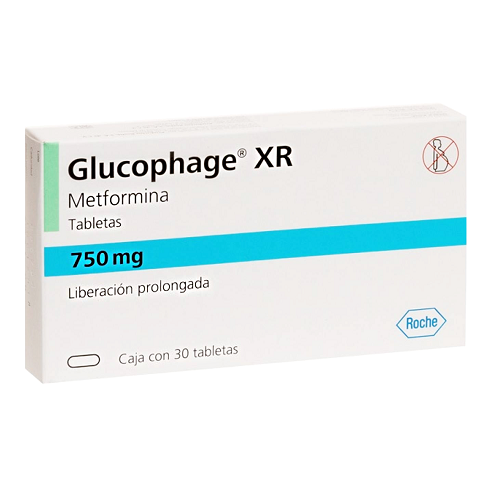
Glucophage (Metformin) in United States: The Complete 2026 Patient Guide
Direct Answer: In the United States, Glucophage (metformin) is a prescription-only medication. It is illegal and unsafe to obtain it without a valid prescription from a licensed healthcare provider.
Key Takeaways: Glucophage at a Glance
| Active Ingredient | Metformin hydrochloride |
| Main Use | Type 2 diabetes mellitus management |
| Prescription Status (US) | Prescription required |
| Onset of Action | Within days for fasting glucose, up to 2 weeks for full effect |
| Most Common Side Effect | Gastrointestinal upset (nausea, diarrhea) |
| Absolute Contraindication | Severe kidney impairment (eGFR <30 mL/min/1.73 m²) |
| Regulatory Authority | US FDA (FDA) |
| Legal Online Purchase | Only with US prescription via licensed pharmacy |
Bottom line: Glucophage is a first-line therapy for type 2 diabetes, but must only be used under medical supervision due to potential risks.
How Does Glucophage Work to Treat Type 2 Diabetes?
Glucophage’s active ingredient, metformin hydrochloride, lowers blood glucose primarily by limiting the amount of glucose produced by the liver (hepatic gluconeogenesis). It also improves insulin sensitivity in muscle and fat tissue, enabling cells to use glucose more efficiently. Importantly, metformin does not stimulate the pancreas to make more insulin, which lowers the risk of hypoglycemia (abnormally low blood sugar).
Biochemical process: Metformin acts primarily at the cellular level by activating AMP-activated protein kinase (AMPK). This enzyme switches off glucose production in the liver and increases peripheral glucose uptake, especially in skeletal muscle. Metformin also decreases intestinal absorption of glucose.
Metaphor: Think of your liver as a “glucose factory.” Metformin is the supervisor who tells the factory to slow down, while also making the body’s “workers” (your muscles) better at using up the sugar that’s already in the blood.
- Does not cause sudden surges in insulin
- Works regardless of the presence of food, but side effects are minimized with meals
- Start of effect: Blood sugar reduction is gradual, with initial effects in a few days, full benefit in 10-14 days
For detailed pharmacology, see FDA Metformin Drug Safety Communication.
Myth: “Metformin works instantly after your first dose.”
Reality: It usually takes several days to see initial changes in blood sugar and up to two weeks for full effect.
Expert Commentary from Doctor
As a physician, I’ve seen patients often misunderstand metformin’s timeline and role. Many expect their blood sugar to normalize immediately—this rarely happens. Instead, it’s a subtle, gradual process. The biggest clinical challenge? Gastrointestinal side effects leading to poor adherence, especially in the first weeks. Patients sometimes stop the medication prematurely without consulting me, fearing “something’s wrong.” But these side effects are almost always temporary or manageable by adjusting dose or taking with food. I also caution patients against making drastic dietary changes without coordination—stopping carb intake suddenly can exaggerate metformin’s effect, risking hypoglycemia, especially if taken with other drugs. Communication between patient and doctor is critical for safe, effective therapy.
How to Take Glucophage Safely: Dosage and Administration
- Starting Dose (Adults): Commonly 500 mg once or twice daily with meals
- Maximum Dose: Up to 2,000 mg per day (standard release), or 2,550 mg in divided doses (extended release).
- Adjustments: Dose should be increased gradually (by 500 mg each week) to minimize gastrointestinal upset.
- Peak Effect: Achieved within two weeks of stable dosing.
- Tablet Splitting: Standard Glucophage can be split; extended-release (XR) tablets must not be split, crushed, or chewed.
- Missed Dose: Take as soon as remembered unless it’s almost time for the next dose; never double up.
- For Elderly or Renal Impairment: Start at lowest dose and titrate slowly. Metformin is not recommended for eGFR <30 mL/min/1.73 m².
For children aged 10 and up, dosing is similar but must be individualized and closely monitored by a pediatric endocrinologist.
Does Food, Alcohol, or Lifestyle Affect Glucophage?
| Substance | Can it be combined? | Consequences / Advice |
|---|---|---|
| Food | Yes | Take with meals to reduce stomach upset. |
| High-fat Meals | Yes, but not required | May slightly delay absorption, but effect is minimal. No clinical concern. |
| Alcohol | No | Strict caution: Binge drinking with metformin can raise risk of lactic acidosis, a rare but serious complication. Occasional moderate intake (1 standard drink/day) is generally safe, but always consult your doctor. |
| Grapefruit Juice | Yes | No significant interaction with metformin, unlike some medications. |
| Other Diabetes Meds | Depends | May increase risk of hypoglycemia; medical supervision required. |
- Bottom line: Take Glucophage with food, avoid binge drinking, and consult your doctor before combining with other diabetes medications.
Who Should Not Take Glucophage? Contraindications Explained
- Absolute Contraindications (never use):
-
- Severe kidney impairment: eGFR <30 mL/min/1.73 m²
- Acute or chronic metabolic acidosis, including diabetic ketoacidosis
- Allergy to metformin or any component of Glucophage
- Relative Contraindications (use with caution):
-
- Liver disease (cirrhosis, hepatitis: higher risk of lactic acidosis)
- Congestive heart failure (especially if unstable or requiring hospitalization)
- Heavy alcohol use
- History of lactic acidosis
- Age >80 years (unless kidney function is normal)
- Planned radiologic studies using iodinated contrast (withhold metformin before and after procedure to prevent kidney injury/lactic acidosis)
- How long after a heart attack or serious illness?
- Typically, metformin is restarted only after the acute event has resolved, and when kidney function is confirmed to be stable.
For specifics, see Mayo Clinic Metformin Guidance.
What Side Effects Are Most Common with Glucophage?
| Frequency | Side Effect | Mechanism / Notes |
|---|---|---|
| Very Common (>1/10) | Diarrhea, nausea, vomiting, abdominal pain, loss of appetite | Direct effect on gut mucosa; often improves as body adapts over 1-2 weeks. |
| Common (>1/100, <1/10) | Taste disturbance (metallic taste) | Unknown mechanism; rarely requires stopping treatment. |
| Rare (<1/1,000) | Reduced vitamin B12 absorption | Monitor with long-term use; supplement if necessary. |
| Very Rare (<1/10,000) | Lactic acidosis | Potentially life-threatening; risk increased in severe renal/liver impairment and with heavy alcohol use. |
| Other | Skin rash | Uncommon; discontinue if severe allergic reaction occurs. |
- If side effects occur: Most GI issues can be managed by taking with food, reducing dose, or using extended-release form. Persistent vomiting, muscle pain, severe fatigue, or shortness of breath may signal lactic acidosis—seek emergency care.
Common Patient Mistakes Observed by Doctor
-
Stopping the medication abruptly after mild side effects
Why it’s a problem: Temporary nausea or diarrhea is common initially; stopping early can worsen glucose control.
How to avoid: Notify your doctor before discontinuing—often, symptoms resolve or can be managed. -
Doubling up next dose after forgetting one
Why it’s a problem: Increases risk of side effects without extra benefit.
How to avoid: Skip missed dose if it’s nearly time for the next; never double up. -
Taking metformin on an empty stomach
Why it’s a problem: Increases likelihood of stomach upset.
How to avoid: Always take with or just after meals. -
Not informing radiology staff before contrast studies
Why it’s a problem: Could increase risk of kidney injury and lactic acidosis.
How to avoid: Tell your healthcare provider you take metformin before imaging with contrast. -
Thinking alcohol is always safe with metformin
Why it’s a problem: Heavy/binge drinking can cause dangerous lactic acidosis.
How to avoid: Limit intake, and always check with your doctor. -
Not monitoring kidney function regularly
Why it’s a problem: Kidney decline can increase risk of metformin accumulation and toxicity.
How to avoid: Get lab tests as directed, usually every 6–12 months.
Glucophage vs Alternatives: How Does It Compare?
| Medication | Active Ingredient | Onset Speed | Duration | Common Side Effects | Price (USD per 30 tablets, est. 2026) |
|---|---|---|---|---|---|
| Glucophage | Metformin | Days to 2 weeks | 12+ hours per dose | GI upset, rare lactic acidosis | $15–$30 (generic); $40–$65 (brand) |
| Januvia | Sitagliptin | Within days | 24 hours | Nasopharyngitis, headache | $450–$550 (brand, no generic as of 2026) |
| Invokana | Canagliflozin | Within days | 24 hours | Urinary tract infections, dehydration | $510–$600 (brand, no generic as of 2026) |
| Glipizide | Glipizide | Within hours | Up to 24 hours | Hypoglycemia, weight gain | $8–$20 (generic) |
- Glucophage is the preferred first-line therapy for most adults with type 2 diabetes in United States due to efficacy and low risk of hypoglycemia.
- Alternatives may be chosen based on side effect profiles, comorbidities, cost, and insurance coverage.
- Insurance copays and formulary restrictions can affect out-of-pocket cost—check with your plan.
Questions Frequently Asked to Doctor
- Is it dangerous to take Glucophage if I have kidney problems?
- Yes, if your kidney function is impaired (eGFR <30), metformin can build up and cause lactic acidosis. Always test kidney function before starting and as recommended during therapy.
- Can I take Glucophage with insulin or other diabetes medicines?
- Often, yes—combination therapy is common. However, the risk of low blood sugar may increase. Your doctor will adjust doses and monitor you closely.
- What should I do if I miss a dose?
- Take it as soon as you remember unless it’s almost time for your next dose. Never double the next dose to “make up.”
- Is long-term use of Glucophage safe?
- For most people, yes. The main risks are vitamin B12 deficiency and lactic acidosis in those with kidney or liver issues. Regular check-ups are important.
- Can I drink alcohol while on Glucophage?
- Moderate consumption (1 drink/day) is generally safe, but heavy or binge drinking is not—risk of lactic acidosis increases. Discuss with your doctor.
- Does Glucophage cause weight loss?
- Some people experience mild weight loss, but it’s not guaranteed or dramatic. Its main benefit is blood sugar control, not weight reduction.
- Is it safe for older adults?
- Yes, provided kidney function is healthy. Doses may need to be lower, and monitoring is more frequent.
Quick Reference Table: Glucophage Key Data
| Parameter | Value |
| Active ingredient | Metformin hydrochloride |
| Strengths available (US) | 500 mg, 850 mg, 1000 mg (immediate and extended-release) |
| Route of administration | Oral (tablet) |
| Half-life | ~6 hours (immediate-release); up to 17 hours (extended-release) |
| Metabolism | Not metabolized; eliminated unchanged by kidneys |
| Pregnancy category | B (not shown to harm fetus in human studies, but consult your doctor) |
| Insurance coverage | Covered by most plans; $4–$10 per month with insurance/generic |
How to Get Glucophage Legally in United States (Step-by-Step)
- Consult a licensed healthcare provider. You can do this in person at your primary care office, endocrinologist, or via legitimate telemedicine platforms (e.g., Teladoc, Amwell).
- Medical evaluation and diagnosis. Your provider will assess your diabetes status, review labs (A1c, kidney function), and confirm the need for metformin.
- Prescription issued. If appropriate, your doctor will generate an electronic prescription.
- Choose a licensed US pharmacy. Present your prescription at any local or chain pharmacy (e.g., CVS, Walgreens, Rite Aid) or use an accredited online pharmacy (look for NABP accreditation).
- Pharmacist counseling. The pharmacist will review dosing, side effects, and answer questions.
- Pick up or receive delivery. Many pharmacies offer home delivery; valid ID and, sometimes, insurance card needed.
- Insurance reimbursement. Most US health insurance and Medicare Part D cover metformin/generic Glucophage; copay may be as low as $4–$10/month.
Is It Legal and Safe to Buy Glucophage Online in United States?
Buying Glucophage online is legal only through licensed US pharmacies that require a prescription. The FDA and NABP warn that non-prescription sites may sell counterfeit, contaminated, or unsafe products. These medications may not contain metformin or may have dangerous impurities.
- Look for “VIPPS” or NABP accreditation on pharmacy websites.
- Never buy from sites that do not require a prescription or that ship from outside the US.
- Risk of seizures at customs, fines, and prosecution for illegal importation.
- Prescription requirements are a patient protection, not “red tape.”
How to Recognize Genuine Glucophage vs Counterfeits
- Original packaging: Glucophage comes in a white blister pack with clear labeling, manufacturer’s logo (Merck Sante or Bristol-Myers Squibb in the US), and a NDC (National Drug Code) number.
- Tablet appearance: White, round or oval, engraved with strength (e.g., “500” or “1000”), no broken edges or odd smell.
- Official labeling: Includes patient leaflet in English, lot number, expiration date.
- Security features: Some US packages (since 2025) include a QR code for verification; check with your pharmacist.
- Price too low? If a website offers Glucophage for less than $5 for 30 tablets and does not require a prescription, it’s likely counterfeit or non-equivalent.
- Generics: Generics are required by the FDA to have the same active ingredient, strength, and effect as the original. They may have different inactive ingredients (excipients).
What to Do in Case of Accidental Overdose
- Stop taking Glucophage immediately.
- Call 911 or local Poison Control (1-800-222-1222) without delay.
- Inform emergency personnel of: Dose taken, time of ingestion, and any symptoms (especially nausea, vomiting, breathing difficulty, or confusion).
- Do not try to induce vomiting unless instructed by a medical professional.
- Stay with the patient until help arrives.
Special Populations: Who Needs Extra Caution?
- Elderly (>80 years): Higher risk of kidney decline; careful dose titration and frequent kidney checks required.
- Pregnant or breastfeeding women: Metformin is sometimes used in gestational diabetes, but only under specialist care. It is excreted in breast milk in low amounts—safety not fully established; discuss risks and benefits with your provider.
- Children (>10 years): Approved for pediatric type 2 diabetes; must be managed by pediatric endocrinologist.
- Severe obesity, liver disease, or heart failure: Dose adjustment or alternative therapy may be required.
- Operating machinery/driving: Metformin itself does not cause hypoglycemia, so it’s generally safe unless combined with other agents.
- Fertility: No negative effect in men; may improve ovulation in women with polycystic ovarian syndrome (PCOS).
Original Glucophage vs Generics: What’s the Difference?
- Brand: Glucophage (by Merck Sante or Bristol-Myers Squibb in US)
- Generics: FDA-approved equivalents (e.g., metformin by Teva, Mylan, Sun Pharma, etc.)
- Active ingredient: Identical (metformin hydrochloride)
- Excipients: May differ—can affect tolerability in rare cases.
- Effectiveness: Clinical studies confirm generics are equally effective and safe for most people (FDA Generics FAQ).
- Price: Generics typically $4–$10/month with insurance, $15–$30 without. Brand-name commonly $40–$65/month.
Living with Type 2 Diabetes: Empathy and Support
Type 2 diabetes is a common, manageable condition. Millions of Americans—across New York, Chicago, Los Angeles, and rural areas—are living full lives while taking metformin. If you feel overwhelmed or isolated, know you’re not alone. Consider discussing your experience with family, friends, or a certified diabetes educator. Psychological support is as important as medical treatment.
Professional Opinion of Doctor
In my clinical experience, Glucophage (metformin) remains the cornerstone therapy for most adults diagnosed with type 2 diabetes, particularly those who are overweight or have metabolic syndrome. I typically recommend it as first-line unless there are clear contraindications such as advanced kidney disease or a history of lactic acidosis. Its benefits—good glucose control, low risk of hypoglycemia, modest weight loss—often outweigh the drawbacks. Still, it’s not a panacea: patients with major gastrointestinal side effects or specific comorbidities may do better with alternatives. I emphasize that medication is one part of an overall diabetes management plan, which must include dietary changes, regular physical activity, and ongoing monitoring. For those unable to tolerate metformin, newer agents like SGLT2 inhibitors or DPP-4 inhibitors can be considered, though cost and insurance coverage may be limiting factors. The key is individualized care—what works for one patient may not be ideal for another.
Frequently Asked Questions (FAQ)
- Can Glucophage be used daily?
- Yes, Glucophage is intended for daily use, usually once or twice per day depending on your prescription.
- Is Glucophage safe for long-term use?
- For most patients, yes. Periodic monitoring of kidney function and vitamin B12 is recommended.
- Can I buy Glucophage without a prescription in United States?
- No, it is illegal and unsafe to purchase metformin or Glucophage without a valid prescription from a US-licensed provider.
- What is the main risk of taking Glucophage with alcohol?
- Heavy drinking can increase the risk of lactic acidosis, a rare but potentially fatal complication.
- What happens if I stop Glucophage suddenly?
- Your blood glucose may rise, increasing risk of diabetes complications. Discuss any changes with your doctor.
- Are generics really as good as Glucophage?
- Yes, FDA-approved generics are considered equally effective and safe as the brand-name product.
- What should I do if I have persistent diarrhea?
- Contact your healthcare provider; a dose adjustment or switching to extended-release may help.
- How long does it take for Glucophage to work?
- Initial effects are seen within days, but full benefit may take up to two weeks.
- Does insurance cover Glucophage?
- Yes, most US insurance plans and Medicare Part D cover metformin; copays vary by plan.
References
- U.S. Food and Drug Administration (FDA), Metformin-containing drugs: Drug Safety Communication, 2026. FDA
- Mayo Clinic, Metformin (Oral Route) Description and Brand Names, 2026. Mayo Clinic
- Centers for Disease Control and Prevention (CDC), National Diabetes Statistics Report, 2025. CDC
- U.S. National Library of Medicine, DailyMed: Metformin, 2026. DailyMed
- American Diabetes Association, Standards of Medical Care in Diabetes—2026. ADA
- FDA, Generic Drug Facts, 2026. FDA
- National Association of Boards of Pharmacy (NABP), Accredited Pharmacy Program. NABP
- ClinicalTrials.gov, Recent Trials on Metformin. ClinicalTrials.gov
Final note: This guide does not replace direct medical care. Always consult a qualified healthcare provider in United States before starting, stopping, or changing medications. For expert evaluation and prescription, seek board-certified endocrinologists or primary care physicians in your state.





- Be Respectful
- Stay Relevant
- Stay Positive
- True Feedback
- Encourage Discussion
- Avoid Spamming
- No Fake News
- Don't Copy-Paste
- No Personal Attacks
- Be Respectful
- Stay Relevant
- Stay Positive
- True Feedback
- Encourage Discussion
- Avoid Spamming
- No Fake News
- Don't Copy-Paste
- No Personal Attacks
