Buy Lasix at Low Price Online in the United States
Published: 20 Oct 2026
- Home/
- Buy Lasix at Low Price Online in the United States
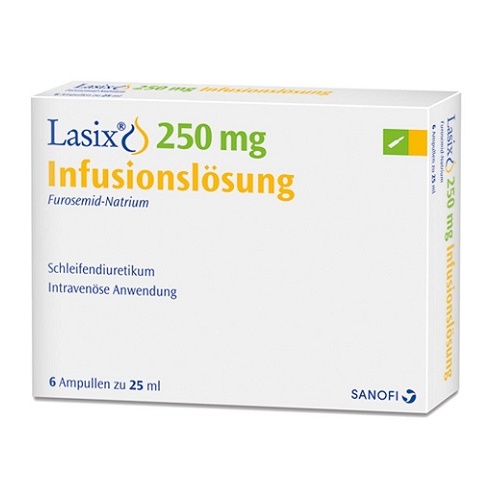
| Medication Name | Lasix |
|---|---|
| Main Compound | Furosemide |
| Primary Purpose | Treatment of fluid retention (Edema) |
| Strengths Available | 20 mg, 40 mg, 80 mg oral tablets; injectable forms |
| How Quickly It Acts | Oral: 30–60 minutes; Intravenous: within 5 minutes |
| Duration of Effect | Approximately 6–8 hours (oral); 2 hours (IV) |
| How It Is Taken | Usually once or twice daily, dosage individualized |
| Requirement for Prescription | Prescription needed in United States |
| Average Retail Price | $10–30 per 30 tablets (20–40 mg), not including consultation or insurance |
Lasix for Edema: Guidance, Use, and Access in United States
Lasix, containing the active component Furosemide, is a prescription medication widely used in the United States for the management of fluid overload conditions such as edema. It is legally available through pharmacies across the country for patients who require medical management of fluid retention related to heart, liver, or kidney issues. Understanding how Lasix works and how it may be appropriate for your personal health situation is essential before making a treatment decision.
Edema: How Common Is It, and Why Does It Happen?
Edema—the buildup of excess fluid in the body’s tissues—is not rare, and its impact can range from mild swelling to severe discomfort or health complications. According to the Centers for Disease Control and Prevention (CDC), roughly 6.2 million adults in the United States have heart failure, one of the leading causes of edema (CDC, 2022). The National Kidney Foundation also reports that over 37 million Americans have chronic kidney disease, which frequently results in fluid retention. These numbers highlight that swelling due to underlying heart, liver, or kidney issues is a widespread and recognized medical concern. If you’ve noticed persistent swelling in your legs, feet, hands, or abdomen, know that this is a common problem, but importantly—one that has effective treatment options.
How Lasix Targets Fluid Retention: What Patients Really Notice
Lasix works by prompting your kidneys to remove excess salt and water from your blood. Medically, it is classified as a loop diuretic. This means it inhibits sodium and chloride reabsorption in a specific part of your kidney called the loop of Henle. The result? More urine is produced and excreted, carrying excess fluid out of the body. In plain terms: if you’re dealing with swelling due to heart, kidney, or liver problems, Lasix helps your body shed this unwanted fluid—often with noticeable improvements in swelling and breathing within hours of taking a dose. Most patients observe increased urination soon after starting Lasix, and reduced puffiness or discomfort follows as the body’s fluid balance is restored. The degree of relief and speed of improvement depends on your underlying condition, kidney function, and the severity of your edema.
Is Lasix Right for You? Recognizable Scenarios Table
| Your Situation | Is Lasix a Good Fit? | Explanation |
|---|---|---|
| You have persistent swelling from heart failure or chronic kidney disease, and your doctor recommends a diuretic. | Yes, typically recommended | Lasix is often prescribed for these causes of edema because it reliably reduces excess fluid and improves symptoms. |
| Your swelling is due to liver cirrhosis (with or without ascites), and you have no severe kidney dysfunction. | Often suitable | Lasix is commonly used in these cases, sometimes alongside other medications. Your liver and kidney function must be checked regularly. |
| You experience mild, occasional swelling after standing or heat exposure, without underlying heart/kidney/liver disease. | No, not appropriate | Lasix is not recommended for minor, situational edema without a medical cause—lifestyle adjustments are safer and more effective. |
| You have a known allergy to sulfa drugs or severe dehydration. | Not suitable | Furosemide can trigger allergic reactions in some people and worsen dehydration. |
| You are already taking other strong diuretics or have been advised of significant electrolyte imbalances. | Requires careful specialist assessment | Combining diuretics or using Lasix with abnormal potassium/sodium levels can be dangerous—medical oversight is essential. |
Choosing Lasix is not a one-size-fits-all decision. If you see your situation reflected above—or if you are unsure—it is essential to consult your healthcare provider for tailored advice. Lasix is highly effective for many types of edema, but in some cases, a different approach is safer or more appropriate.
How to Take Lasix in Real Life: Practical Guidance and What to Expect
- Timing: Lasix is typically taken once daily in the morning to minimize nighttime trips to the bathroom. For higher doses or resistant edema, a second dose may be prescribed in the early afternoon.
- With or without food: You can take Lasix with food if it upsets your stomach, but this is not mandatory. Food does not significantly interfere with its absorption.
- Missed a dose: If you forget a dose, take it as soon as you remember—unless it is close to your next scheduled dose. Do not double up. Skipping one dose is rarely dangerous, but regularly missing doses can allow fluid retention to return.
- If it “doesn’t work”: If you see no reduction in swelling within days, or if you suddenly gain weight or feel shortness of breath, tell your doctor promptly. Adjustments or alternative therapies may be needed.
- During treatment: Daily weighing is often advised to monitor fluid balance. Observe your body for reduced swelling, but also for signs of too much fluid loss, such as dizziness or cramps.
- Special situations: If you develop vomiting, diarrhea, or cannot keep fluids down, seek medical advice before resuming Lasix—risk of dehydration and electrolyte disturbance is higher.
Always follow your doctor’s dosing instructions. Self-adjusting Lasix due to swelling or discomfort is not recommended—both overuse and underuse can be harmful.
Contraindications: Who Should Not Use Lasix and Why
- Severe kidney failure (anuria): If your kidneys are not producing urine, Lasix is not effective and may cause harm.
- Allergy to Furosemide or sulfonamides: Risk of serious allergic reactions.
- Marked electrolyte imbalances: Using Lasix can worsen low potassium, sodium, or magnesium, sometimes leading to dangerous heart rhythms.
- Severe dehydration: Lasix will further lower body fluids, increasing risk of shock or kidney injury.
- Pregnancy and breastfeeding: Generally avoided unless clearly needed, as safety data is limited and there is some risk to the fetus or infant.
Contraindications are not mere formalities—they represent real risks tied to your unique medical background. Discuss your history thoroughly with your healthcare provider before starting Lasix.
Possible Side Effects: Frequency and When to Act
- Common, usually mild: Increased urination, mild low blood pressure (dizziness upon standing), muscle cramps, thirst, headache. These effects often resolve as your body adjusts or after dose changes.
- Occasional, may need monitoring: Low potassium or sodium (can cause weakness, irregular heartbeat), dehydration, gout flare-ups, or mild rash.
- Rare, urgent attention needed: Severe rash, difficulty breathing, confusion, very fast/irregular heartbeat, fainting. If you or someone you know experiences these, call 911 (the national emergency number in the United States) immediately. These may signal a severe allergic reaction or dangerously abnormal blood minerals.
Most patients tolerate Lasix well under medical supervision. Routine blood tests are advised to catch issues early. Any persistent or worrying symptoms should prompt discussion with your doctor, who can adjust your regimen or recommend additional measures.
Drug Interactions: What Not to Mix with Lasix
- Other blood pressure or diuretic medications: Risk of excessive blood pressure drop, dehydration, or abnormal electrolytes increases sharply.
- Heart medications (digoxin): Low potassium from Lasix can increase digoxin toxicity risk.
- Anti-inflammatory drugs (NSAIDs): These may reduce Lasix’s effect and strain your kidneys.
- Diabetes medications: Lasix can alter blood sugar control, requiring dose adjustments.
- Antibiotics (aminoglycosides, certain cephalosporins): The risk of hearing damage or kidney injury may increase when combined with Lasix.
If you take any prescription, over-the-counter, or herbal medications, inform your healthcare provider before starting Lasix. Adjustments, closer monitoring, or alternative therapies may be necessary based on your full medication list.
Lasix Compared to Other Edema Treatments: Where It Excels—And Where It Doesn’t
| Option | When Preferred | Limitations |
|---|---|---|
| Lasix (Furosemide) | Rapid, effective removal of moderate-to-severe excess fluid due to heart, kidney, or liver disease. Useful for both outpatient and hospital settings. | Can cause loss of potassium/sodium; requires close monitoring; not always effective in severe kidney failure. |
| Thiazide diuretics (e.g., hydrochlorothiazide) | Best for mild edema, high blood pressure management, or in combination with loop diuretics for resistant cases. | Less potent for severe fluid retention; not as rapid-acting. |
| Spironolactone | Especially effective for edema related to liver cirrhosis (ascites); helps preserve potassium. | Slower onset; risk of hormonal side effects (breast tenderness, menstrual changes). |
| Non-drug approaches (compression, salt restriction) | Useful for mild or situational swelling, or as adjuncts to medication. | Insufficient alone for medically significant edema; do not address underlying disease. |
Lasix remains the mainstay for rapid fluid removal in most moderate to severe cases, with decades of clinical experience and regulatory approval from the U.S. Food and Drug Administration (FDA). However, individual needs may call for different or combined strategies. If Lasix hasn’t been effective or well-tolerated, your healthcare provider may consider a different class of diuretic or a non-pharmacological approach.
What You Will Actually Pay for Lasix and Related Care in United States
| Cost item | Amount | Note |
|---|---|---|
| Doctor consultation (in-person or telemedicine) | $75–$250 | Varies by provider, insurance may reduce cost |
| Prescription processing fee (if not included) | $5–$25 | Some clinics and online services charge separately |
| Lasix tablets (20 or 40 mg, 30-count) | $10–$30 | Generic pricing, varies by pharmacy and region |
| Medication delivery (standard shipping) | $0–$15 | In-store pickup is usually free |
| Optional: Express delivery | $20–$35 | Available at select online pharmacies |
| Total | $90–$355 | Depending on consultation type, delivery, and insurance |
Lasix is typically covered by most insurance plans and Medicare, significantly reducing out-of-pocket costs. If you are uninsured, generic Furosemide offers an affordable alternative. Online and local pharmacies in the United States both require a valid prescription. Delivery options are increasingly common, with costs varying according to speed and service.
After Lasix: What Remains Unanswered?
After starting Lasix, a frequent question is: “How will I know if it’s actually helping?” The most reliable sign is a gradual decrease in swelling and daily body weight, along with easier breathing and less discomfort. However, improvements can be slow or variable depending on your underlying health. If your symptoms persist or worsen over several days despite taking Lasix as prescribed, do not wait—contact your healthcare provider for review. Regular blood work and tracking your symptoms are critical for safe, effective treatment. No over-the-counter supplement or herbal remedy can substitute for Lasix in true medical edema; relying on these instead of proven therapy poses a real health risk.
Where this information comes from
- Centers for Disease Control and Prevention (CDC), 2022
- National Kidney Foundation
- U.S. Food and Drug Administration (FDA)





- Be Respectful
- Stay Relevant
- Stay Positive
- True Feedback
- Encourage Discussion
- Avoid Spamming
- No Fake News
- Don't Copy-Paste
- No Personal Attacks
- Be Respectful
- Stay Relevant
- Stay Positive
- True Feedback
- Encourage Discussion
- Avoid Spamming
- No Fake News
- Don't Copy-Paste
- No Personal Attacks
