Salwar Suit in Silk: Trending Fabrics, Colors & Embroidery Styles in 2026
Published: 13 Jun 2026
India’s love for ethnic fashion has stood the test of time, and at the heart of this tradition is the iconic salwar suit in silk. Whether it is a grand wedding, an Eid gathering, Diwali, or a temple visit, silk salwar suits have always been the first choice of Indian women across every generation and region.
In 2026, the salwar suit in silk has undergone a beautiful transformation. Designers across India are combining centuries-old weaving traditions with bold modern aesthetics, giving rise to ethnic wear that is culturally rooted yet refreshingly contemporary. From the weaving lanes of Varanasi to Mumbai’s design studios, silk salwar suits are being reimagined with exciting fabrics, vibrant colours, and breathtaking embroidery.
This complete guide walks you through the most trending silk fabrics, hottest colour palettes, and most popular embroidery styles defining Indian fashion in 2026.
Why a Salwar Suit in Silk Is Every Indian Woman’s Favourite
Silk is not just a fabric in India — it is a symbol of culture, prosperity, and artisanal heritage. Here is why the salwar suit in silk continues to dominate Indian ethnic fashion Timeless Elegance ,Silk’s natural sheen and drape instantly elevate your appearance for any occasion.
Occasion Versatility: From heavy bridal Banarasi to lightweight Chanderi, there is a silk suit for every event.
Cultural Pride: Wearing a silk salwar suit celebrates India’s extraordinary textile legacy.
Lasting Quality: A well-maintained silk suit can last for decades, making it a worthwhile investment.
Flattering for All: Silk flows gracefully and complements every body type beautifully.
Top Trending Silk Fabrics for Salwar Suits in 2026
The variety of silk available across India’s different states is extraordinary. In 2026, these are the most sought-after silk fabrics for salwar suits:
- Banarasi Silk
Woven in the sacred city of Varanasi, Banarasi silk is the crown jewel of Indian textiles. Famous for its intricate gold and silver zari work, it creates salwar suits that look nothing short of royal. In 2026, Banarasi silk salwar suits with Mughal-inspired floral motifs remain the top bridal and wedding guest choice across India.
Best for: Weddings, Receptions, Engagement Ceremonies - Kanjivaram (Kanchipuram) Silk
Kanjivaram silk from Tamil Nadu is celebrated for its thick texture, vivid colours, and bold contrasting borders. In 2026, it is being tailored into wide-legged palazzo sets and long Anarkali suits, merging traditional grandeur with modern sensibility. Its rich appearance makes it a favourite for South Indian weddings and temple festivals.
Best for: South Indian Weddings, Temple Visits, Pongal, Onam - Chanderi Silk
Crafted in Madhya Pradesh, Chanderi silk is admired for its sheer, feather-light texture. In 2026, Chanderi silk salwar suits in soft pastels with fine gold zari borders are hugely popular for women who appreciate understated elegance. Its breathability makes it ideal for summer and spring festivities.
Best for: Diwali Parties, Office Functions, Summer Festivals - Tussar Silk
Tussar silk has a naturally golden hue and slightly textured surface. In 2026, hand-painted Tussar silk salwar suits featuring Madhubani and Warli art motifs have become fashionable among women who love wearable art. This fabric holds natural dyes beautifully, producing rich earthy tones.
Best for: Navratri, Durga Puja, Daytime Ceremonies - Raw Silk (Matka Silk)
Raw silk stands apart with its matte, textured finish and organic quality. In 2026, raw silk salwar suits featuring bold mirror work and colourful thread embroidery are a top pick across Gujarat and Rajasthan, prized for their casual elegance.
Best for: Regional Festivals, Day Functions, Casual Ethnic Events - Chiffon Silk Blend
The blend of chiffon and silk creates a flowy, soft, and luminous fabric. In 2026, digital printed chiffon-silk salwar suits in abstract and floral designs are trending among younger women who want ethnic style without feeling overdressed.
Best for: Eid Celebrations, Evening Events, Semi-Formal Occasions
Trending Colors for Salwar Suit in Silk 2026
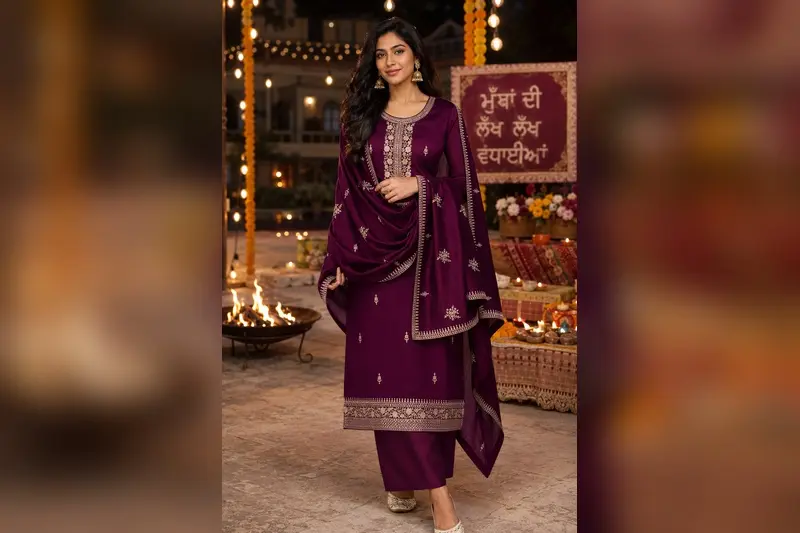
Color is the first thing that captures attention, and in 2026, the color story for silk salwar suits is rich, diverse, and deeply inspiring.
Bold & Royal Shades
- Deep Maroon and Wine — A classic that never fades, especially for winter celebrations and bridal functions.
- Royal Blue with Gold Zari — A powerful, regal combination that commands attention at weddings and receptions.
- Emerald Green — Lush and vibrant, this shade is dominating festive collections across India in 2026.
- Burnt Orange — A bold, earthy tone inspired by autumn harvest palettes, perfect for Navratri and Diwali.
Soft Pastels and Neutrals
- Powder Pink — A top pick for engagement ceremonies, mehndi functions, and baby showers.
- Mint Green — Cool, fresh, and modern, this shade is trending for daytime events and outdoor ceremonies.
- Lavender — A soft, romantic shade that has gained enormous popularity among young Indian women in 2026.
- Ivory and Cream — A sophisticated, timeless choice for post-wedding functions and formal daytime events.
Two-tone silk salwar suits — where the kurta and bottom are in beautifully contrasting shades — are one of the biggest trends of 2026. Designers are pairing deep jewel tones with soft neutrals for a bold yet balanced look. Similarly, ombre-dyed silk suits that blend one colour into another are attracting massive attention for their artistic and deeply modern appeal.
Most Popular Embroidery Styles for Silk Salwar Suits in 2026
Embroidery is what gives a salwar suit in silk its soul and personality. In 2026, these embroidery styles are leading Indian ethnic fashion:
- Zardozi Embroidery
One of India’s oldest embroidery traditions, Zardozi uses gold and silver metallic threads, beads, and sequins to create elaborate patterns on fabric. A Zardozi-embroidered silk salwar suit is the ultimate statement piece for bridal occasions. In 2026, Zardozi detailing on the yoke, neckline, and cuffs of Banarasi silk suits is among the most searched bridal styles in India. - Chikankari Embroidery
Lucknow’s signature hand embroidery, Chikankari, uses delicate white thread work on pastel fabric to create breathtaking grace. In 2026, Chikankari on soft silk and Chanderi fabric is trending for women who prefer refined, subtle beauty over heavy embellishments, particularly for summer weddings and daytime celebrations. - Phulkari Embroidery
Originating in Punjab, Phulkari embroidery uses bright multicoloured silk threads to cover the base fabric in vibrant floral patterns. In 2026, Phulkari-embroidered silk salwar suits are a celebration staple at Lohri, Baisakhi, and Punjabi weddings, delivering a bold, joyful, and unmistakably Indian look. - Resham (Silk Thread) Embroidery
Resham embroidery uses coloured silk threads to craft intricate floral, geometric, and paisley patterns. Lighter than Zardozi, it is ideal for medium-weight silk fabrics. In 2026, multi-coloured Resham work on Tussar and Chanderi silk is a top seller across ethnic wear stores throughout India. - Mirror Work (Shisha Embroidery)
A beloved tradition from Gujarat and Rajasthan, mirror work stitches small reflective mirrors onto the fabric, creating a dazzling festive effect. Raw silk salwar suits adorned with bold mirror work are a top choice for Navratri garba and Diwali parties in 2026, as the mirrors catch light beautifully with every movement.
Styling Tips: How to Wear a Silk Salwar Suit Perfectly
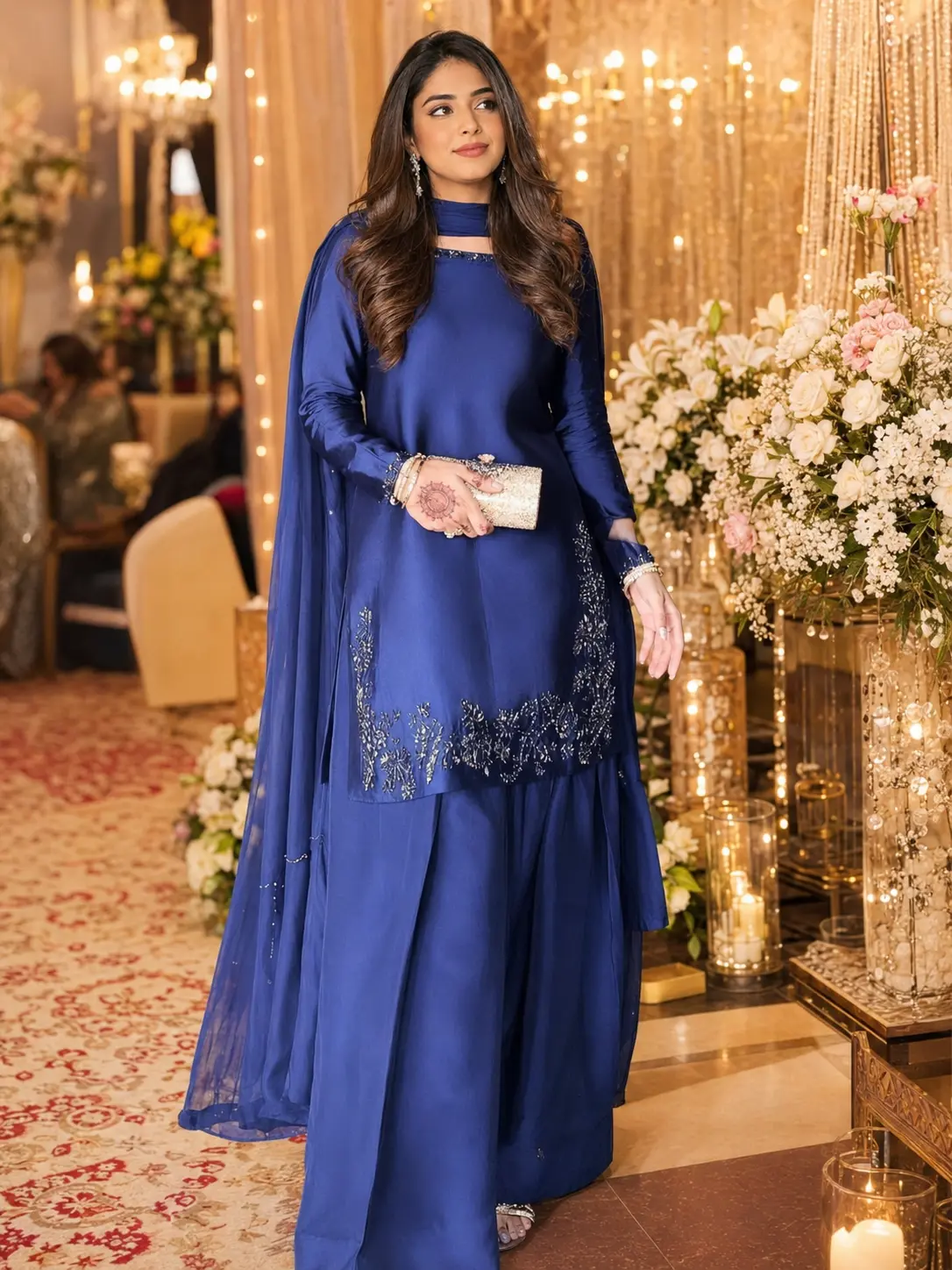
Owning a stunning salwar suit in silk is just the beginning — styling it brings the whole look together.
Jewellery: Pair Banarasi and Kanjivaram suits with traditional gold or Kundan jewellery. Choose oxidised silver or tribal pieces for Tussar and Chanderi suits.
Footwear: Embellished juttis, kolhapuri sandals, or block-heeled mojris complement silk suits perfectly.
Dupatta: Pin classically across both shoulders for a traditional look, or drape loosely over one arm for a modern touch.
Bag: A silk potli bag or embroidered clutch pairs effortlessly with any silk salwar suit.
Hairstyle: A floral bun, neat braid, or loose curls all work beautifully with ethnic silk wear.
How to Care for Your Silk Salwar Suit
- Always dry clean heavily embroidered silk suits to preserve the embellishments.
- Hand wash plain silk suits gently in cold water using mild detergent or baby shampoo.
- Never wring silk — gently press out water and dry flat in the shade.
- Iron only on a low heat setting on the reverse side of the fabric.
- Store wrapped in muslin cloth in a cool, dry place away from direct sunlight.
Frequently Asked Questions (FAQs) About Salwar Suit in Silk
Q1. Which silk fabric is best for a salwar suit for weddings?
For weddings, Banarasi silk is widely considered the finest choice due to its rich gold zari work and royal appearance. Kanjivaram silk is equally popular for South Indian weddings thanks to its bold colours and durable weave. For a daytime wedding, Chanderi silk with a fine embroidery border is an excellent lighter alternative that combines elegance with comfort.
Q2. How can I tell if a silk salwar suit is made from pure silk?
The most reliable home method is the burn test — snip a few threads and burn them. Pure silk burns slowly, smells like burning hair, and leaves crumbly ash. Synthetic silk melts with a plastic smell. Pure silk also feels cool to the touch, has a lustre that shifts in different lighting, and has a slightly irregular texture. Always buy from trusted stores and request a quality certificate for expensive varieties.
Q3. Can a salwar suit in silk be worn in summer?
Absolutely. Lightweight varieties like Tussar silk, Chanderi silk, and chiffon-silk blends are highly breathable and perfect for summer weddings, daytime festivals, and outdoor events. These fabrics maintain silk’s elegant sheen while allowing airflow. Avoid heavy Banarasi or Kanjivaram silk during peak summer unless you are in an air-conditioned venue.
Q4. Which occasions are most suitable for wearing a silk salwar suit?
A salwar suit in silk suits a wide range of occasions — weddings and receptions, Eid and Diwali celebrations, Navratri and Durga Puja, engagement and mehndi functions, office festive events, temple visits, and family gatherings. Match the weight and embellishment level to the event’s formality — heavier embroidered silks for grand occasions and lighter, simpler silks for casual or daytime events.
Q5. What jewellery pairs best with a silk salwar suit?
Banarasi and Kanjivaram silk suits look best with traditional gold, Kundan, or polki jewellery — jhumkas, maang tikka, and choker sets. Chanderi and Tussar silk suits pair beautifully with oxidised silver, pearl sets, or delicate stone jewellery. For raw silk suits with mirror work, colourful beaded jewellery or bold tribal pieces add the perfect festive touch.
Final Thoughts
A salwar suit in silk is far more than a garment — it is a living testament to India’s extraordinary textile heritage, the skill of its weavers and artisans, and the timeless beauty of ethnic fashion. In 2026, the evolution of silk salwar suits continues to inspire with new fabric innovations, dazzling colour combinations, and embroidery techniques that blend ancient traditions with modern aesthetics.
Whether you are drawn to the grandeur of Banarasi brocade, the delicate charm of Chanderi weave, or the earthy richness of Tussar silk, there is a perfect salwar suit in silk waiting to become your most cherished outfit. This festive season, invest in silk, honour India’s weaving traditions, and wear your heritage with confidence and pride.


- Be Respectful
- Stay Relevant
- Stay Positive
- True Feedback
- Encourage Discussion
- Avoid Spamming
- No Fake News
- Don't Copy-Paste
- No Personal Attacks
- Be Respectful
- Stay Relevant
- Stay Positive
- True Feedback
- Encourage Discussion
- Avoid Spamming
- No Fake News
- Don't Copy-Paste
- No Personal Attacks
