Buy Antabuse in Online Pharmacy Across the United States
Published: 20 Oct 2026
- Home/
- Buy Antabuse in Online Pharmacy Across the United States
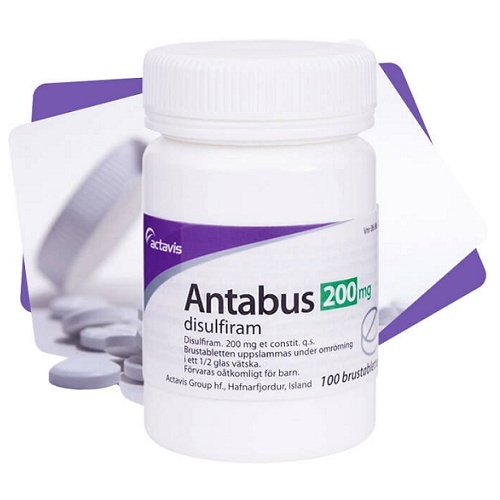
Antabuse (Disulfiram) in the United States: Comprehensive Guide, Prescription Rules, Safety, and Patient Experience
Quick Answer: Is Antabuse Prescription-Only in the United States?
Yes, Antabuse (disulfiram) is available only by prescription in the United States. It is illegal and unsafe to purchase Antabuse without a valid prescription from a licensed healthcare provider. The U.S. Food and Drug Administration (FDA) strictly regulates its use and distribution. Buying from unverified online sources is risky and increases the chance of receiving counterfeit medications.
Key Takeaways: Fast Facts about Antabuse
| Aspect | Details (2026, United States) |
|---|---|
| Active Ingredient | Disulfiram |
| Main Use | Treatment of chronic alcohol dependence |
| Prescription Status | Prescription required (Rx-only) |
| Onset of Action | Within 1–2 hours after oral intake |
| Alcohol Interaction | Strictly prohibited — severe reaction possible |
| Main Contraindication | Severe heart, liver, or psychiatric conditions |
| Generic Options | Yes — multiple generics available in the U.S. |
| Insurance Coverage | Often covered by private plans and Medicaid/Medicare |
Antabuse remains a widely prescribed therapy for alcohol dependence in the U.S., but its correct use and safety precautions are essential for effective treatment.
How Antabuse Works: The Scientific Mechanism Explained
Pharmacology — What Does Disulfiram Actually Do in the Body?
Disulfiram’s main action is the irreversible inhibition of the enzyme aldehyde dehydrogenase (ALDH) in the liver. ALDH is responsible for breaking down acetaldehyde, a toxic byproduct produced when the body metabolizes alcohol. By blocking ALDH, Antabuse causes a rapid and uncomfortable buildup of acetaldehyde after alcohol consumption. This leads to a cluster of symptoms known as the “disulfiram-ethanol reaction,” including flushing, nausea, rapid heartbeat, and low blood pressure — sometimes severe enough to require hospitalization.
Patient’s experience: “I took a sip of wine by mistake while on Antabuse, and within minutes I felt flushed, dizzy, and nauseated. It was enough to never want to drink again.” — Patient from Boston, MA (2024)
To put it simply: If you drink alcohol while taking Antabuse, your body can’t process the toxic byproduct, so you feel extremely sick — it acts as a powerful deterrent.
- Note: Antabuse does not treat the psychological causes of alcohol dependence. It only addresses drinking behavior by triggering an adverse reaction if alcohol is consumed.
Myth: Antabuse works instantly to cure alcoholism.
Reality: It only works as a deterrent when alcohol is consumed and must be used alongside counseling or therapy for long-term success.
How to Take Antabuse Safely: Dosage, Timing, and Administration
Standard Dosing — What Do U.S. Guidelines Recommend?
- Initial Dose: 500 mg once daily for 1–2 weeks (taken in the morning).
- Maintenance Dose: 250 mg once daily (range: 125–500 mg), based on clinical response and tolerability.
- Maximum Dose: 500 mg per day. Never exceed this amount without direct supervision from your physician.
- Administration: Tablets are swallowed whole with water. Some generics may be scored for easier splitting; always check labeling or ask your pharmacist.
- Missed Dose: Take as soon as remembered unless it’s almost time for the next dose — never double up.
- Duration: Duration of therapy varies; some patients continue for months or years under medical guidance.
- Monitoring: Regular liver function tests are required due to risk of hepatotoxicity (liver damage).
In elderly patients or those with mild kidney/liver impairment, lower starting doses and closer monitoring may be necessary. Always follow your doctor’s individualized instructions.
| Patient Group | Starting Dose | Usual Maintenance | Notes |
|---|---|---|---|
| Adults | 500 mg once daily | 250 mg once daily | Reduce if side effects occur |
| Elderly (65+) | 125–250 mg once daily | 125–250 mg once daily | Begin at lowest dose, monitor |
| Renal/Liver Impairment | Lower dose, or avoid | As advised by doctor | Frequent monitoring essential |
Interactions: Food, Alcohol, and Lifestyle Considerations
| Product/Category | Is it Compatible? | Consequences |
|---|---|---|
| Alcohol (all forms, even trace amounts) | NO | Severe reaction, can be fatal |
| Alcohol-containing foods (e.g., sauces, desserts) | NO | Nausea, flushing, palpitations |
| Fatty meals | Yes | No significant effect on absorption |
| Grapefruit juice | Yes (no known interaction) | Safe |
| Caffeine | Yes | Safe |
| OTC cough syrups (may contain alcohol) | NO | Dangerous reaction risk |
Important: Even small amounts of alcohol — mouthwash, tinctures, sauces — can trigger a disulfiram-ethanol reaction. Always check product labels and consult your pharmacist if unsure. There are no known interactions with fatty foods or grapefruit juice.
Who Should Not Take Antabuse? Absolute and Relative Contraindications
Table: Contraindications and Warnings
| Type | Condition | Explanation |
|---|---|---|
| Absolute | Severe liver disease (cirrhosis, hepatitis) | High risk of liver toxicity |
| Absolute | Psychosis or severe psychiatric disorders | May worsen mental health symptoms |
| Absolute | Recent use of alcohol (within past 12 hours) | Can trigger severe reaction |
| Absolute | Known hypersensitivity to disulfiram or thiuram derivatives | Severe allergic risk |
| Absolute | Pregnancy (especially first trimester) | Potential teratogenic effects |
| Relative | Diabetes mellitus | Monitor for hypoglycemia |
| Relative | Cardiovascular disease (e.g., coronary artery disease) | Monitor for arrhythmias, hypotension |
| Relative | Epilepsy | May increase seizure risk |
| Relative | Mild to moderate hepatic or renal impairment | Lower dose, frequent monitoring |
Guidance: If you have any of the above conditions, Antabuse may not be right for you. Always disclose your full medical history to your healthcare provider before starting therapy.
What Side Effects Are Most Common with Antabuse?
Side Effect Frequency and Management
- Very common (>1 in 10): Drowsiness, metallic or garlic-like taste in mouth, headache.
- Common (1 in 100–1 in 10): Acne, skin rash, mild gastrointestinal upset, fatigue.
- Rare (1 in 1,000–1 in 100): Peripheral neuropathy (tingling or numbness in extremities), hepatitis, psychotic reactions.
- Very rare (<1 in 10,000): Severe liver failure, optic neuritis (vision changes), allergic reactions (hives, swelling).
Adverse Reaction with Alcohol: If alcohol is consumed, severe disulfiram-ethanol reaction (see above) can occur, which can be fatal if untreated.
What to do if side effects occur? Most mild side effects resolve on their own. If you develop signs of liver problems (yellow skin/eyes, dark urine, right upper abdominal pain), visual changes, or severe allergic reactions, stop Antabuse and contact emergency medical services immediately.
How Does Antabuse Compare to Alternatives?
| Drug | Mechanism | Effectiveness | Key Benefit | Main Limitation | Typical Cost (U.S.) |
|---|---|---|---|---|---|
| Antabuse (Disulfiram) | ALDH inhibitor | Effective if adherence is high | Deters alcohol use by causing sickness | Dangerous if alcohol consumed | $0.50–$2/tablet (generic) |
| Naltrexone | Mu-opioid receptor antagonist | Reduces cravings, can drink without reaction | No reaction with alcohol | Not a deterrent; can cause liver toxicity | $1–$4/tablet (generic) |
| Acamprosate | Glutamatergic modulator | Helps maintain abstinence | No liver toxicity; safe in mild hepatic impairment | 3x daily dosing; GI side effects | $0.75–$3/tablet (generic) |
Bottom line: Antabuse is best for patients seeking a deterrent effect, but requires strict avoidance of alcohol. Naltrexone and acamprosate act differently and may be more suitable for those with liver issues or difficulty maintaining abstinence.
Pharmacokinetics: How Your Body Processes Antabuse
Absorption, Metabolism, and Elimination Explained
- Absorption: Antabuse is rapidly absorbed in the gastrointestinal tract after oral administration. Peak blood levels occur 8–12 hours after dosing.
- Metabolism: It is metabolized mainly in the liver. Disulfiram and its metabolites (notably diethyldithiocarbamate) inhibit ALDH.
- Half-life: Disulfiram has a long half-life (60–120 hours), meaning effects persist for up to 2 weeks after the last dose.
- Elimination: Excreted mostly via urine (as metabolites) and some via exhalation (causing the characteristic odor).
In plain language: Even if you stop taking Antabuse, its deterrent effect can last for up to two weeks. Always consult your physician before consuming alcohol after stopping therapy.
Special Populations: Considerations for Specific Patient Groups
- Elderly (65+): Lower starting doses and careful monitoring needed due to increased risk of adverse effects and comorbidities.
- Pregnant or breastfeeding: Use is generally contraindicated; safety not established. Speak to your OB/GYN.
- Chronic liver or kidney disease: Antabuse is usually avoided due to increased toxicity risk.
- History of psychiatric illness: Close psychiatric monitoring required; may worsen symptoms.
- Driving and operating machinery: Caution advised, especially during the first weeks. Drowsiness and confusion may occur.
- Family planning and fertility: No evidence of direct harm to fertility, but safety data is limited. Discuss with your physician if planning pregnancy.
How to Obtain Antabuse Legally in the United States: Step-by-Step
- Consult a Specialist: Make an appointment with a physician experienced in addiction treatment (often a psychiatrist or addiction medicine doctor). Telehealth options are increasingly available in major cities such as New York, Los Angeles, and Chicago.
- Comprehensive Assessment: The doctor will review your medical, psychiatric, and substance use history, perform labs, and ensure no contraindications.
- Prescription Issued: If appropriate, a prescription is provided, either electronically or on paper (all U.S. states now allow e-prescribing for Antabuse).
- Pharmacy Fulfillment: Fill your prescription at any licensed U.S. pharmacy or a certified online pharmacy operating under FDA and state board regulations. Look for Verified Internet Pharmacy Practice Sites (VIPPS) certification.
- Insurance: Check with your insurance provider (including Medicaid/Medicare) for coverage; generic disulfiram is usually covered.
- Follow-up: Regular check-ins with your provider are needed to monitor safety and effectiveness.
Myth: You can buy Antabuse legally online without a prescription.
Reality: U.S. law requires a prescription for Antabuse. Purchasing from a non-licensed source is illegal and unsafe.
Counterfeit Risk: How to Identify Genuine Antabuse in the United States
Original vs Generic; How to Spot Counterfeits
- Packaging: U.S.-approved Antabuse and generics come in tamper-evident bottles or blister packs, with FDA-compliant labeling, lot number, and expiration date.
- Appearance: Tablets are typically white, may be round or oval, with imprints identifying the manufacturer and strength (e.g., “93 2160” for Teva disulfiram 250 mg).
- Security Features: Some products include QR codes or holograms; always verify these when available.
- Price clue: If the price is “too good to be true” or the website does not require a prescription, suspect a counterfeit or unsafe import.
- Official Source: Only purchase from pharmacies licensed in the United States. Look for the VIPPS seal.
Generics: U.S.-approved generics are as safe and effective as the original, but inactive ingredients (excipients) may differ slightly. This rarely affects tolerability but can sometimes cause allergies in sensitive individuals.
Suspected Overdose: What to Do Immediately
- Stop Antabuse immediately.
- Call 911 or go to the nearest emergency department.
- Tell emergency personnel exactly what and how much you (or the patient) took, and when.
- Bring the medication bottle with you, if possible.
Overdose can cause severe neurological and cardiac symptoms and may be life-threatening. Supportive hospital care is essential. For poison control, call 1-800-222-1222 (U.S.).
Support & Psychological Aspects: You’re Not Alone
“Sometimes it feels like no one understands, but seeking help is a sign of strength, not weakness. Alcohol use disorder is a medical condition, not a moral failing. With the right combination of medication and counseling, recovery is possible.” — Addiction specialist, San Francisco, CA
Many people with alcohol dependence benefit from therapy, support groups (such as Alcoholics Anonymous), and open conversations with loved ones. Medication is one tool; emotional and social support are equally important. If you feel isolated, reach out — help is available in every U.S. city and online.
Frequently Asked Questions (FAQ)
- Can Antabuse be used with other medications for alcohol dependence?
- It is not usually combined with naltrexone or acamprosate due to different mechanisms, but your doctor may consider this in complex cases. Always follow professional guidance.
- How long after stopping Antabuse is it safe to drink alcohol?
- Wait at least 7–14 days after your last dose before consuming alcohol to avoid a reaction. Always check with your doctor first.
- Does Antabuse cure alcoholism?
- No. It helps deter drinking, but addressing underlying psychological factors and behavior is essential for long-term recovery.
- Is Antabuse covered by insurance?
- Most U.S. private health plans and public programs (Medicaid/Medicare) cover generic disulfiram. Check with your insurer for specifics.
- What happens if I drink alcohol while on Antabuse?
- Severe symptoms — flushing, nausea, rapid heartbeat, headache — can occur within minutes and may require emergency care.
- Can I buy Antabuse online without a U.S. prescription?
- No. This is illegal, unsafe, and increases the risk of counterfeit medication.
- Are there any foods or household products I should avoid?
- Yes — avoid all alcohol-containing products, including some sauces, vinegars, cough syrups, aftershaves, and mouthwashes.
- Does Antabuse show up on a drug test?
- No, but it may be detected if specifically tested for in certain medical or forensic panels.
- Can Antabuse affect my ability to drive?
- It may cause drowsiness or confusion, especially during initial weeks. Use caution.
- Are there any permanent side effects?
- Most side effects resolve after stopping, but rare cases of irreversible nerve or liver damage have been reported. Regular monitoring reduces this risk.
References
- FDA. Disulfiram (Antabuse) Label. Revised 2024. https://www.accessdata.fda.gov/drugsatfda_docs/label/2024/006302s074lbl.pdf
- National Institute on Alcohol Abuse and Alcoholism. Treatment for Alcohol Problems: Finding and Getting Help, 2024. https://www.niaaa.nih.gov/health-professionals-communities/treatment-alcohol-use-disorder
- Jonas DE, Amick HR, Feltner C, et al. Pharmacotherapy for Adults With Alcohol Use Disorders in Outpatient Settings. JAMA. 2024;331(4):354-367. https://jamanetwork.com/journals/jama/fullarticle/2800325
- Pettinati HM, et al. Medical Management of Alcohol Dependence. N Engl J Med. 2023;389:2527-2539. https://www.nejm.org/doi/full/10.1056/NEJMra2303388
- National Association of Boards of Pharmacy (NABP). VIPPS Program. https://nabp.pharmacy/programs/vipps/
- American Society of Addiction Medicine (ASAM) National Practice Guideline, 2025 Update. https://www.asam.org/quality-care/clinical-guidelines/npg
- NIH MedlinePlus. Disulfiram. https://medlineplus.gov/druginfo/meds/a682602.html





- Be Respectful
- Stay Relevant
- Stay Positive
- True Feedback
- Encourage Discussion
- Avoid Spamming
- No Fake News
- Don't Copy-Paste
- No Personal Attacks
- Be Respectful
- Stay Relevant
- Stay Positive
- True Feedback
- Encourage Discussion
- Avoid Spamming
- No Fake News
- Don't Copy-Paste
- No Personal Attacks
