Buy Nolvadex Online in the United States
Published: 20 Oct 2026
- Home/
- Buy Nolvadex Online in the United States
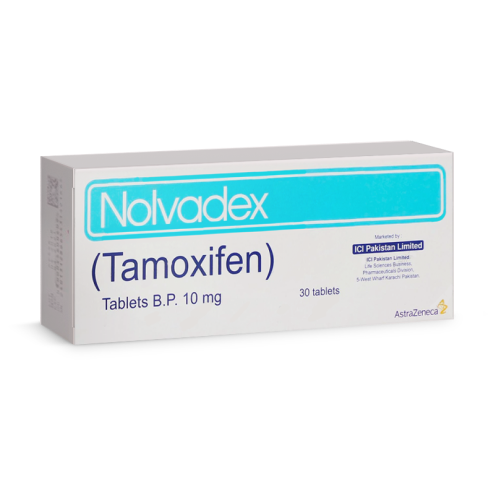
Nolvadex (Tamoxifen) in the United States: The Complete Doctor’s Guide for Patients in 2026
Can I Get Nolvadex Without a Prescription in the United States?
No, Nolvadex (tamoxifen) is a prescription-only medication in the United States. It is illegal to purchase or possess Nolvadex without a valid prescription from a licensed healthcare provider. The U.S. Food and Drug Administration (FDA) strictly regulates its distribution to protect patients from misuse and counterfeit products. Always consult your oncologist or primary care physician before considering Nolvadex therapy.
Summary: Key Facts About Nolvadex (Tamoxifen)
| Parameter | Details (2026, United States) |
|---|---|
| Active Ingredient | Tamoxifen citrate |
| Main Indication | Estrogen receptor–positive breast cancer (treatment and prevention) |
| Prescription Requirement | Prescription only (Rx) via licensed U.S. healthcare provider |
| Availability | Brand (Nolvadex) and FDA-approved generics |
| Dosage Forms | Tablets: 10 mg, 20 mg |
| Common Side Effects | Hot flashes, menstrual changes, fatigue, nausea |
| Absolute Contraindication | History of deep vein thrombosis or pulmonary embolism |
| Typical U.S. Price Range | $20–$70/month (generic), $150–$300/month (brand) |
| Legal Online Access | Possible only with U.S. physician prescription and licensed pharmacy |
How Does Nolvadex Work? Mechanism of Action Explained
Nolvadex contains tamoxifen citrate, which is classified as a selective estrogen receptor modulator (SERM). In breast tissue, it acts as an estrogen receptor antagonist: it blocks the effect of estrogen, a hormone that can stimulate the growth of certain breast cancers. Tamoxifen binds to estrogen receptors on cancer cells, preventing estrogen from attaching and thereby stopping or slowing the growth of tumors that require estrogen.
In other tissues (like bone and uterus), tamoxifen may act as a weak estrogen agonist. This tissue-selective action explains both its therapeutic benefits and its side effects.
Pharmacokinetics: Tamoxifen is well absorbed orally and metabolized predominantly in the liver via cytochrome P450 enzymes, especially CYP2D6 and CYP3A4. Its active metabolite (endoxifen) is responsible for much of the drug’s effectiveness. The elimination half-life is long (approximately 5–7 days), which supports once-daily dosing. Most of the drug is eliminated through the feces, with only a small portion excreted in urine.
Metaphor: Imagine Nolvadex as a security guard blocking estrogen from unlocking the doors to breast cancer cell growth—keeping those doors locked, so cells can’t multiply as quickly.
Does anything impact its effectiveness? Yes: the body’s ability to metabolize tamoxifen (especially variations in the CYP2D6 enzyme) can impact effectiveness—meaning some people may need dose adjustments or may not respond as well.
Expert Commentary from doctor
In my years prescribing Nolvadex, I’ve noticed that patient adherence is often underestimated. Many patients expect to “feel” the drug working, but because Nolvadex is a preventive and long-term therapy, the benefits are rarely obvious day-to-day. This can lead to skipped doses or premature discontinuation, especially when side effects like hot flashes occur. It’s crucial for patients to understand that consistent, long-term use is what reduces recurrence risk. Also, I urge patients to report any unusual symptoms (like leg swelling or sudden shortness of breath) immediately, as these can signal rare but serious complications like blood clots.—Dr. T. Williams, Oncologist, New York
How to Take Nolvadex Safely: Dosage and Administration
- Standard adult dose: For breast cancer treatment, typical dosing is 20 mg once daily (single or divided dose). For risk reduction (prevention), 20 mg once daily is also standard.
- Maximum daily dose: 40 mg per day (divided into 2 doses), unless otherwise directed by your physician. Do not exceed this dose.
- Onset and duration: Therapeutic effects develop over weeks to months. For cancer recurrence prevention, benefit accrues with long-term use (5–10 years in many protocols).
- Tablet splitting: Most 10 mg tablets can be split; 20 mg tablets are usually not scored—do not split unless directed by your pharmacist.
- Older adults: No specific dose adjustment is generally required, but monitoring for side effects is especially important.
- Renal or hepatic impairment: Use with caution; dose adjustment may be necessary in cases of significant liver impairment (consult your oncologist).
- Pediatric use: Not routinely used—reserved for select indications and specialist supervision.
Missed a dose? Take it as soon as you remember on the same day. If it’s nearly time for your next dose, skip the missed dose—do not double-dose.
Impact of Food, Alcohol, and Lifestyle on Nolvadex Effectiveness
| Factor | Can it be combined? | Effect / Note |
|---|---|---|
| Food (meals) | Yes | No significant impact on absorption; may reduce stomach upset if taken with food. |
| High-fat meals | Yes | Minimal effect; absorption is not clinically affected. |
| Alcohol | Caution | Occasional use is unlikely to cause issues, but regular/heavy use increases liver strain and may worsen side effects. Limit alcohol as much as possible. |
| Grapefruit juice | Not recommended | May interfere with liver metabolism of tamoxifen. Avoid. |
| Supplements & herbal products | Caution | Some herbal products (e.g., St. John’s wort) may interfere with metabolism—always check with your doctor. |
Key point: Nolvadex can be taken with or without food. However, avoid grapefruit juice and excessive alcohol. Discuss any supplements with your doctor to avoid drug interactions.
Who Should NOT Take Nolvadex? Contraindications and Cautions
- Absolute contraindications (Never use):
-
- Current or past deep vein thrombosis (DVT) or pulmonary embolism (PE)
- Known hypersensitivity to tamoxifen or any tablet ingredient
- Concurrent warfarin use for treating DVT/PE (except under strict specialist supervision)
- Pregnancy (teratogenic—causes birth defects)
- Relative contraindications (Use with caution):
-
- History of stroke or cardiovascular disease
- Patients with a strong family or personal history of blood clots
- Significant liver disease or impaired liver function
- Uncontrolled hyperlipidemia (high cholesterol may worsen risk of clotting)
- Visual disturbances or pre-existing cataracts (risk of ocular side effects)
Why do these matter? Tamoxifen increases the risk of blood clots because it can alter how blood coagulates. Using it in these situations could result in life-threatening complications.
What Side Effects Are Most Common with Nolvadex?
| Frequency | Side Effect | Explanation / Note |
|---|---|---|
| Very Common (>1 in 10) |
Hot flashes Menstrual changes Fatigue |
Due to estrogen blockade in the brain and reproductive organs. |
| Common (1 in 100–1 in 10) |
Vaginal discharge or dryness Nausea Leg cramps Fluid retention (mild swelling) |
Hormonal changes; mild and often improve over time. |
| Uncommon/Rare (1 in 1,000–1 in 100) |
Thromboembolic events (DVT, PE) Endometrial changes (hyperplasia, rare uterine cancer) Cataracts or visual changes Liver function abnormalities |
Serious, require immediate medical attention. |
| Very Rare (<1 in 1,000) |
Severe allergic reaction Severe hepatotoxicity Pancytopenia |
Life-threatening, stop medication and seek urgent care. |
What to do if you experience side effects: Mild symptoms often improve with time; discuss with your doctor before stopping. Seek urgent care if you have chest pain, leg swelling, sudden shortness of breath, or vision loss.
Common Patient Mistakes Observed by doctor
- Stopping Nolvadex without consulting a doctor: Some patients quit due to side effects like hot flashes or mood changes, not realizing abrupt cessation can increase cancer recurrence risk. Solution: Always discuss with your oncologist—alternatives and side-effect management strategies exist.
- Missing doses frequently: Because benefits are preventive and not immediately felt, some underestimate missed doses. Solution: Set daily reminders and tie dosing to a regular routine (e.g., brushing teeth).
- Taking with over-the-counter supplements or herbal remedies without medical advice: Some products interact and may reduce effectiveness or increase toxicity. Solution: Always consult your healthcare provider before adding new supplements.
- Using medication obtained from unverified sources or other countries: Risks include counterfeit drugs, incorrect dosage, and legal consequences. Solution: Only use products from licensed U.S. pharmacies with a valid prescription.
- Not reporting signs of blood clots: Symptoms like calf swelling, sudden breathlessness, or chest pain should never be ignored. Solution: Know the warning signs and contact your provider immediately.
- Assuming alcohol is completely safe: Many patients believe occasional drinking is harmless. Chronic alcohol use can stress the liver and worsen side effects. Solution: Limit alcohol and discuss potential risks with your doctor.
How Does Nolvadex Compare to Other Breast Cancer Treatments?
| Drug | Main Use | Usual Dose | Onset | Pricing (USD, 2026) | Side Effect Profile | Notable Differences |
|---|---|---|---|---|---|---|
| Nolvadex (Tamoxifen) |
PRE/POST-menopausal, ER+ breast cancer | 20 mg daily | Weeks–months for full effect | $20–$70/mo (generic) $150–$300/mo (brand) |
Hot flashes, clot risk, rare endometrial cancer |
SERM, can be used pre-menopause |
| Arimidex (Anastrozole) |
POST-menopausal ER+ breast cancer | 1 mg daily | Weeks–months | $40–$90/mo (generic) $250–$400/mo (brand) |
Joint pain, bone loss, less clot risk |
Aromatase inhibitor; not for pre-menopausal unless with ovarian suppression |
| Femara (Letrozole) |
POST-menopausal ER+ breast cancer | 2.5 mg daily | Weeks–months | $35–$85/mo (generic) $220–$390/mo (brand) |
Hot flashes, bone thinning, fatigue |
Aromatase inhibitor; similar efficacy, different side effect pattern |
Bottom line: Nolvadex is often preferred in pre-menopausal women or where aromatase inhibitors are not suitable. Aromatase inhibitors (like anastrozole and letrozole) are standard in post-menopausal women but may have different side effect profiles (notably more bone loss, less clotting risk). Choose based on age, menopausal status, comorbidities, and side effect tolerability.
Questions Frequently Asked to doctor
- Q1: Is it safe to take Nolvadex for more than five years?
- Yes, for many patients especially at higher risk of recurrence, extended therapy up to 10 years may be recommended. Long-term use can increase certain risks (especially uterine cancer and blood clots), so regular monitoring is essential.
- Q2: What happens if I miss a dose?
- Take it as soon as you remember if it’s the same day; if it’s almost time for your next dose, skip the missed one. Never double up. Missing occasional doses is unlikely to cause harm, but consistency is key for maximum benefit.
- Q3: Can Nolvadex interact with my antidepressant?
- Some antidepressants (notably paroxetine, fluoxetine, and bupropion) can interfere with tamoxifen activation in the liver and may reduce its effectiveness. Always inform your doctor about all medications and discuss possible alternatives.
- Q4: I’m experiencing hot flashes—what can I do?
- Hot flashes are very common with Nolvadex. Strategies include dressing in layers, using a fan, and possibly certain non-estrogen medications (like venlafaxine). Do not use hormone replacement therapy unless specifically approved by your oncologist.
- Q5: Is Nolvadex safe in pregnancy or while breastfeeding?
- No, Nolvadex is strictly contraindicated in pregnancy and breastfeeding due to risks of birth defects and unknown effects on infants. Use effective contraception during treatment and consult your doctor immediately if you become pregnant.
- Q6: Can I drive or operate machinery while taking Nolvadex?
- Most people can, but if you experience dizziness or visual changes, avoid these activities and notify your physician promptly.
Nolvadex Quick Reference Table
| Characteristic | Value / Explanation |
|---|---|
| Formulation | Tablet, 10 mg or 20 mg |
| Typical daily dose | 20 mg |
| Peak plasma time | 4–7 hours (after oral dose) |
| Half-life | ~5–7 days (long) |
| Main interactions | SSRIs, warfarin, some herbal supplements |
| Pregnancy | Contraindicated |
| Driving | Caution if experiencing dizziness/visual changes |
| Insurance coverage | Most U.S. plans cover generic tamoxifen; brand may require prior authorization |
How to Obtain Nolvadex Legally in the United States: Step-by-Step
- Consult a doctor (in-person or via telemedicine): Schedule an appointment with your oncologist or a primary care physician. Telehealth is a legal and convenient option in most states.
- Undergo clinical evaluation: Your doctor will assess your diagnosis, review your medical history, and order any necessary lab tests or imaging.
- Receive a valid prescription: If appropriate, your physician will issue a prescription—electronic, paper, or via your patient portal.
- Choose a licensed pharmacy: Take your prescription to a local U.S. pharmacy or use a verified online/mail-order pharmacy with U.S. licensure. Look for the National Association of Boards of Pharmacy (NABP) “VIPPS” seal.
- Pick up or receive your medication: The pharmacy will fill your prescription and provide counseling. Telehealth platforms may offer direct mail delivery from licensed U.S. pharmacies.
- Follow up with your doctor: Schedule regular check-ins to monitor side effects and effectiveness.
Never: Attempt to order Nolvadex from foreign or unlicensed websites. Importing prescription drugs without FDA approval carries legal and health risks.
Is It Legal to Purchase Nolvadex Online in the United States?
Yes, but only if you have a valid U.S. prescription and purchase from a licensed U.S. pharmacy (local or mail-order). The FDA and DEA regulate online pharmacy operations. Online pharmacies must be registered with the National Association of Boards of Pharmacy (https://nabp.pharmacy), and legitimate sites often display a VIPPS seal.
Risks of non-compliant sources: Counterfeit drugs, incorrect dosages, legal penalties, customs confiscation, and serious health consequences.
Myth vs Reality:
Myth: Any site with “pharmacy” in the URL is legitimate.
Reality: Only pharmacies accredited by U.S. authorities and requiring a prescription are legal and safe.
How to Identify Real Nolvadex vs Counterfeit in the United States
- Original packaging: FDA-approved Nolvadex and generics come in sealed blisters or bottles with lot numbers, expiration dates, and manufacturer name (e.g., AstraZeneca or a listed generic).
- Pill appearance: Consistent color, size, shape, imprint code. For example, 20 mg Nolvadex tablets are white, round, with a break line and “20” imprint.
- Security features: Many U.S. manufacturers include tamper-evident seals, QR codes or holograms (scan with a pharmacy app if available).
- Price: If the price is far lower than standard U.S. retail, be suspicious—it may indicate a counterfeit or unregulated product.
- Pharmacy counseling: U.S. pharmacists can verify the appearance and source—ask for confirmation if unsure.
Quality Assurance Checklist
- Pill matches official description (check manufacturer’s website)
- Packaging is sealed and undamaged
- Labels are in English, with U.S. pharmacy information
- Prescription label matches your name and doctor’s details
Generics vs Brand Nolvadex
- FDA-approved generics contain the same active ingredient and must meet strict bioequivalence standards
- Excipients (inactive ingredients) may vary, rarely causing allergic reactions
- Generics are more affordable and widely used in U.S. practice; efficacy and safety are equivalent
- Ask your doctor or pharmacist if you have allergies to certain fillers
What Should I Do If I Take Too Much Nolvadex? Overdose Instructions
- Stop Nolvadex immediately—do not take additional doses.
- Call U.S. emergency services (911) or Poison Help (1-800-222-1222) right away.
- Inform the medical professional about the amount and time of ingestion.
- Bring the medication packaging with you to the hospital if possible.
- Do not attempt to induce vomiting unless instructed by a medical professional.
Symptoms of overdose: Tremors, dizziness, unsteady gait, visual changes, abnormal heart rhythm, severe nausea/vomiting. Early intervention is critical.
Acknowledging the Emotional Side of Treatment
Starting tamoxifen therapy can be emotionally challenging—side effects may impact daily life and relationships. Remember, breast cancer is a common and treatable condition, and seeking support is normal. Discuss concerns openly with your healthcare provider, family, or support groups. Psychological or counseling services can be valuable parts of your treatment plan.
Professional Opinion of doctor
As an oncologist, I view Nolvadex (tamoxifen) as a cornerstone in the management of estrogen receptor–positive breast cancer, both for treatment and for risk reduction in high-risk individuals. It’s particularly valuable in pre-menopausal women and in those not suitable for aromatase inhibitors. The benefit-risk profile is generally favorable, but not trivial—potential for blood clots, endometrial changes, and drug interactions require vigilance. In my practice, the patients who benefit most are those who are able to adhere to therapy, understand potential side effects, and maintain open communication with their care team. For some, especially those with significant clotting risks or intolerable side effects, alternative therapies may be more appropriate. Ultimately, successful outcomes hinge on individualized care, regular monitoring, and patient education—no medication is “magic,” but Nolvadex remains an evidence-based option for many.
Frequently Asked Questions (FAQ)
- Can Nolvadex be used for conditions other than breast cancer?
- Yes, it is occasionally used for infertility, gynecomastia, and other hormone-related conditions, but always under specialist supervision.
- Is Nolvadex available over the counter in the United States?
- No, it is prescription-only. Buying without a prescription is illegal and unsafe.
- How long do I need to take Nolvadex?
- Most patients take it for at least 5 years; some continue up to 10, based on risk and tolerability.
- Can Nolvadex cause weight gain?
- Some patients report mild weight changes, but studies show inconsistent results. Healthy diet and exercise are recommended.
- What should I do if I experience side effects?
- Contact your healthcare provider. Do not stop Nolvadex abruptly—side effects can often be managed with adjustments or supportive care.
- Are there any foods or drinks I must absolutely avoid?
- Grapefruit juice is best avoided. Limit alcohol and discuss any supplements or herbal products with your doctor.
- Does insurance cover Nolvadex?
- Most U.S. insurance plans cover generic tamoxifen; brand-name Nolvadex may require prior authorization or higher copays.
References / Sources
- U.S. Food and Drug Administration (FDA): https://www.fda.gov
- National Institutes of Health MedlinePlus: https://medlineplus.gov/druginfo/meds/a682414.html
- National Comprehensive Cancer Network (NCCN) Guidelines: https://www.nccn.org
- American Cancer Society: https://www.cancer.org/cancer/breast-cancer/treatment/hormone-therapy/tamoxifen.html
- PubMed: Recent studies on tamoxifen safety and efficacy: https://pubmed.ncbi.nlm.nih.gov
- Mayo Clinic Patient Care Information: https://www.mayoclinic.org/drugs-supplements/tamoxifen-oral-route/description/drg-20067438
- National Association of Boards of Pharmacy (NABP): https://nabp.pharmacy
- ClinicalTrials.gov—U.S. National Library of Medicine: https://clinicaltrials.gov
To ensure safe, effective treatment tailored to your unique medical history, always consult a board-certified oncologist or specialist in the United States—preferably at a National Cancer Institute–designated center or through major academic hospitals in cities like Houston, Boston, Chicago, or Los Angeles. Never attempt to self-medicate or obtain Nolvadex from unverified sources. For further guidance, reach out to your local cancer center or the American Society of Clinical Oncology (https://www.asco.org).





- Be Respectful
- Stay Relevant
- Stay Positive
- True Feedback
- Encourage Discussion
- Avoid Spamming
- No Fake News
- Don't Copy-Paste
- No Personal Attacks
- Be Respectful
- Stay Relevant
- Stay Positive
- True Feedback
- Encourage Discussion
- Avoid Spamming
- No Fake News
- Don't Copy-Paste
- No Personal Attacks
