Buy Priligy Without Prescription in the United States Online
Published: 18 Oct 2026
- Home/
- Buy Priligy Without Prescription in the United States Online
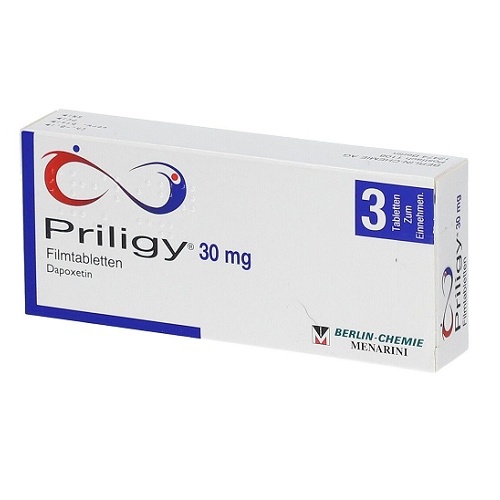
Can Priligy (dapoxetine) be obtained without a prescription in the United States?
No, Priligy (dapoxetine) cannot be obtained legally in the United States without a valid prescription from a licensed healthcare provider. It is classified as a prescription-only medication by the U.S. Food and Drug Administration (FDA).
Key Takeaways
- Priligy (dapoxetine) is intended for adult men with premature ejaculation. It is not suitable for other uses or for women.
- It requires a valid prescription in the United States; over-the-counter purchase is not permitted.
- Most men notice an effect with the first dose, typically within 1–3 hours after taking it.
- Medical evaluation is critical to rule out underlying conditions before starting treatment.
- The main safety issue is the risk of side effects such as dizziness, nausea, and syncope (fainting).
- Patients with cardiovascular, liver, or certain psychiatric conditions should discuss risks carefully with their physician.
How does Priligy work in the body?
Priligy’s active ingredient, dapoxetine, is a selective serotonin reuptake inhibitor (SSRI) designed specifically for the treatment of premature ejaculation in men. Unlike other SSRIs commonly used for depression, dapoxetine acts rapidly and is taken on demand, not daily.
- Mechanism: Dapoxetine increases the level of serotonin in synaptic clefts by inhibiting the serotonin transporter (SERT), which prevents reuptake of serotonin into neurons.
- Effect: Higher serotonin availability in specific areas of the spinal cord prolongs the time to ejaculation by modulating the ejaculatory reflex.
- Biochemical pathway: It primarily affects 5-HT1A and 5-HT2C receptors, which play a role in ejaculatory control.
Metaphor: Imagine serotonin as a brake pedal for ejaculation. Dapoxetine makes the brake more effective, helping men maintain control for a longer period during sexual activity.
Myth: Priligy works instantly and guarantees long-lasting intercourse every time.
Reality: Priligy requires sexual stimulation to work, and effectiveness can vary between individuals and situations.
Learn more about alternatives and generics.
References: FDA, PubMed (FDA, PubMed), see Sources section below.
Why “Just in Case” Dosing Can Mislead: Insights from Clinical Practice
As a physician, I often find that patients misunderstand the timing and expectations with Priligy. Many believe that taking the pill guarantees control, regardless of circumstances. However, real-world experience shows that emotional state, relationship factors, and even anxiety about the medication can influence results. Some men become discouraged after a single attempt if the effect is less than expected—not realizing that optimal benefit may require a few tries and honest communication with their partner. Patients seldom ask whether underlying psychological or relational issues could be affecting their experience. In reality, assessing these factors and setting realistic expectations are as important as the medication itself. Discussing questions like “What if I notice no change?” or “When should I try again?” helps avoid disappointment and ensures better outcomes.
How should Priligy be taken for best results?
- Standard starting dose: 30 mg taken as a single tablet, 1 to 3 hours before anticipated sexual activity.
- Maximum daily dose: 60 mg (never exceed one dose in 24 hours).
- Tablet splitting: Tablets should not be split or crushed; swallow whole with a large glass of water.
- Special populations: Priligy is not recommended for men over 65 or those with significant liver or kidney impairment.
Most users experience maximal effect between 1 and 3 hours after ingestion, with the effect typically lasting 4 to 6 hours. It’s essential to follow your doctor’s instructions precisely.
Does food, alcohol, or lifestyle affect Priligy’s action?
- Food: Priligy can be taken with or without food. A high-fat meal may delay absorption slightly, but does not reduce the overall effect.
- Alcohol: Combining Priligy with alcohol is not recommended. Co-use increases the risk of dizziness, fainting, and impaired judgment due to additive central nervous system effects.
- Grapefruit juice: Avoid grapefruit juice while using Priligy, as it can increase blood levels of the medication and raise side effect risks.
- Lifestyle factors: Dehydration, skipping meals, or standing up too quickly can all make side effects like dizziness more likely.
Bottom line: Take Priligy with water, avoid alcohol, and be cautious with grapefruit juice to maximize safety and effectiveness.
Who should never take Priligy?
- Absolute contraindications (never use):
- Concomitant use with monoamine oxidase inhibitors (MAOIs) or thioridazine.
- Significant liver impairment (Child-Pugh class B or C).
- History of syncope (fainting) or unexplained loss of consciousness.
- Significant heart conditions (e.g., unstable heart failure, conduction abnormalities).
- Concomitant use with potent CYP3A4 inhibitors (such as ketoconazole, ritonavir).
- Allergy to dapoxetine or any ingredient in Priligy.
- Relative contraindications (use with caution):
- Moderate kidney impairment.
- History of psychiatric conditions (such as bipolar disorder or severe depression).
- Patients with low blood pressure or prone to orthostatic hypotension.
- Use in individuals taking other serotonergic drugs (risk of serotonin syndrome).
Explanation: Combining Priligy with MAOIs, thioridazine, or certain enzyme inhibitors can lead to dangerous drug interactions, while liver or heart disease can increase the risk of severe side effects due to impaired drug metabolism or susceptibility to blood pressure drops.
What side effects are most common with Priligy?
- Very common (>1/10):
- Nausea, headache, dizziness.
- Common (1/10 to 1/100):
- Diarrhea, insomnia, fatigue, increased sweating, anxiety, irritability, decreased libido.
- Rare (1/1000 to 1/10,000):
- Fainting (syncope), blurred vision, palpitations, ringing in the ears.
- Very rare (<1/10,000):
- Seizures, serotonin syndrome, mood changes (including suicidal thoughts), priapism (prolonged erection).
If you experience sudden dizziness, severe nausea, fainting, chest pain, or changes in mood or behavior, stop taking Priligy immediately and seek emergency medical attention.
Most side effects are mild and resolve after stopping the medication, but some can be serious and require immediate care.
Mistakes that reduce Priligy effectiveness: What to avoid
- Taking Priligy on a full stomach with a heavy or fatty meal: This can delay absorption and reduce the speed of onset. Try to take it on an empty stomach or after a light meal.
- Mixing with alcohol: Even small amounts of alcohol raise the risk of fainting or severe dizziness. Always avoid drinking before and after taking Priligy.
- Standing up too quickly after taking the tablet: This increases the chance of orthostatic hypotension (sudden drop in blood pressure) and fainting. Sit or lie down for a few minutes after taking the medication.
- Adjusting the dose without consulting a healthcare provider: Increasing the dose on your own does not guarantee better results and raises the risk of side effects.
- Stopping after just one attempt: Some men do not notice full benefit with the first use. It may take 2–3 tries to optimize timing and effectiveness.
- Ignoring drug interactions: Starting new medications, especially antidepressants or antifungals, without informing your physician can lead to hazardous interactions.
- Failing to hydrate: Dehydration makes dizziness and fainting more likely. Drink water before and after use, and avoid excessive exercise shortly after taking Priligy.
How does Priligy compare to other premature ejaculation treatments?
Priligy is the only FDA-accepted on-demand oral medication for premature ejaculation. Most alternatives fall into two groups: daily SSRIs (off-label), and topical anesthetics (creams or sprays).
| Medication | Active Ingredient | Onset | Duration | Side Effects | Prescription | Estimated Cost (USD/tablet) |
|---|---|---|---|---|---|---|
| Priligy | Dapoxetine | 1–3 hours | 4–6 hours | Nausea, dizziness, headache | Yes | $25 – $45 |
| Sertraline (off-label) | Sertraline | 7–14 days (daily) | Continuous | Sexual dysfunction, sleep disturbance | Yes | $1 – $5 |
| Lidocaine-Prilocaine Cream | Topical anesthetics | 15–30 min | 1–2 hours | Numbness, local reactions | No (OTC) | $4 – $10 (per dose) |
- Priligy acts quickly, is taken only when needed, but is more expensive than daily SSRIs and can cause transient side effects.
- SSRIs (e.g., sertraline, paroxetine) are more affordable but require daily use, have more sustained systemic effects, and are not FDA-approved for this indication.
- Topical anesthetics are inexpensive and available over the counter, but may cause loss of sensitivity, and results can be inconsistent.
Technical Details at a Glance: Priligy Reference Table
| Active ingredient | Dapoxetine hydrochloride |
| Formulation | Film-coated tablet |
| Strengths available | 30 mg, 60 mg |
| Administration | Oral, with water |
| Onset of action | 1–3 hours |
| Duration of effect | 4–6 hours |
| Prescription status (U.S.) | Prescription-only |
| Storage | Store at room temperature, 68–77°F (20–25°C) |
| Manufacturer | Original: Menarini Group (formerly Janssen-Cilag) |
Compatibility: Can Priligy be combined with other medications?
| Type of Product | Can it be combined? | Consequences |
|---|---|---|
| Aspirin | Yes | No significant interaction |
| Nitroglycerin | NO | Risk of life-threatening hypotension |
| SSRIs/SNRIs | Use with caution | Increased risk of serotonin syndrome |
| Alcohol | Avoid | Additive CNS suppression, risk of fainting |
| Grapefruit juice | Avoid | Increases blood levels, more side effects |
| Antifungals (ketoconazole, itraconazole) | NO | Dangerous interaction (CYP3A4 inhibition) |
How is Priligy metabolized and eliminated?
Priligy (dapoxetine) is rapidly absorbed, reaching peak blood levels between 1 and 2 hours after ingestion. The drug is mainly metabolized in the liver via enzymes CYP2D6 and CYP3A4. Elimination occurs through the kidneys, with a terminal half-life of approximately 19 hours (but the clinical effect lasts much shorter).
- Liver metabolism: Men with moderate to severe liver disease cannot safely use Priligy due to risk of accumulation and toxicity.
- Kidney elimination: Mild to moderate kidney impairment requires careful dose adjustment and specialist supervision.
- Half-life: About 19 hours, but therapeutic effect is limited to the first 4–6 hours post-dose.
Specific considerations for special patient groups
- Older adults (>65 years): Not recommended due to increased risk of side effects and lack of sufficient safety data.
- Renal impairment: Use with caution and under close medical supervision.
- Liver impairment: Contraindicated in moderate to severe hepatic impairment due to reduced clearance.
- Cardiovascular disease: Not recommended in unstable heart conditions, conduction disorders, or history of syncope.
- Psychiatric disorders: Use with extreme caution in individuals with history of depression, mania, or bipolar disorder.
- Driving and machinery: Priligy may cause dizziness or fainting, so avoid driving or operating dangerous machinery for at least 4–6 hours after use.
- Fertility and family planning: No evidence that Priligy affects sperm quality or long-term fertility, but studies are limited.
In short: Priligy is best suited for otherwise healthy adult men without significant chronic illnesses.
Priligy vs. generics: What’s the difference?
- Original Priligy: Marketed by Menarini (formerly Janssen-Cilag), comes in branded blister packs with official labeling and security features.
- Generics: Several FDA-approved generic versions of dapoxetine have become available in recent years due to patent expiry. Generics contain the same active ingredient but may use different inactive ingredients (excipients).
- Price: Generics are usually less expensive, with similar efficacy and safety when purchased from a reputable, licensed pharmacy.
- Allergy risk: Some excipients in generic versions may differ; check the ingredients list if you have known allergies to dyes or fillers.
Quality Check: How to identify genuine Priligy in the U.S.
- Packaging: Genuine Priligy is supplied in sealed blister packs with clear branding, batch number, and expiration date. U.S.-approved generics should also have these features.
- Tablet appearance: Priligy tablets are typically round, film-coated, and may have an imprint or engraved code.
- Security features: U.S. versions often include tamper-evident seals, QR codes, or holograms—verify these with your pharmacist.
- Smell and color: The tablet should not have an unusual smell or discoloration.
- Labeling: U.S. packaging must display NDC (National Drug Code), pharmacy label, and drug information in English.
Spotting counterfeits: How to avoid fake Priligy
- Suspiciously low prices or bulk offers: These are common signs of counterfeit or illegally imported products.
- Non-English labeling or unfamiliar manufacturer: Only use products labeled for U.S. distribution and approved by the FDA.
- Physical differences: Variation in tablet color, size, or markings can indicate a counterfeit.
- Missing or altered security seals: Genuine products are always sealed and have intact holograms or QR codes.
- Buy only from licensed U.S. pharmacies: Unregulated online sellers and foreign websites pose a high risk for counterfeit medicines.
What are generics? Generics are FDA-approved versions of dapoxetine made by different manufacturers, offering cost savings but the same clinical benefit as the original product.
How to safely use online pharmacies for Priligy in the U.S.
- Look for VIPPS accreditation: Verified Internet Pharmacy Practice Sites (VIPPS) program by the National Association of Boards of Pharmacy certifies legitimate online pharmacies (nabp.pharmacy).
- Check for a U.S. address and phone number: Legitimate pharmacies provide clear contact information and operate within the U.S.
- Require a valid U.S. prescription: Safe pharmacies ask for your doctor’s prescription; those that do not are violating U.S. law.
- Beware of instant offers or international shipping: These are common red flags for counterfeit or substandard drugs.
- Consult your doctor or pharmacist: If in doubt, speak with your healthcare provider before purchasing online.
Remember: Buying from unauthorized websites can expose you to counterfeit, contaminated, or ineffective medications.
What should I do in case of Priligy overdose?
- Stop taking Priligy immediately.
- Call Poison Control (1-800-222-1222) or emergency services (911) in the United States without delay.
- Inform emergency personnel about the amount taken and the time of ingestion.
- Do not attempt to induce vomiting unless instructed by a health professional.
- Keep the medication packaging for reference.
Symptoms of overdose may include severe nausea, vomiting, agitation, tremors, convulsions, rapid heartbeat, and loss of consciousness.
Premature ejaculation: You are not alone
Premature ejaculation is a common and treatable condition affecting many men. It often has both physical and psychological components. Open discussion with your partner and a healthcare professional can help you find the most effective and supportive management approach.
Common Questions Answered by Your Doctor
- How will I know if Priligy is working for me?
- Most men notice an increased time to ejaculation and improved control within 1–3 hours of taking Priligy. It’s important to track your experience over several attempts and discuss with your doctor if you are unsure about the effect.
- Is it safe to use Priligy more than once in 24 hours if needed?
- No, exceeding one dose per day increases the risk of serious side effects. If you feel a single dose is not sufficient, consult your physician for reassessment.
- What should I do if I feel dizzy or lightheaded after taking Priligy?
- Sit or lie down immediately. Do not attempt to drive or operate machinery until the symptoms resolve. If fainting occurs or symptoms persist, seek medical attention right away.
- Can I stop Priligy at any time if I decide to discontinue?
- Yes, since Priligy is used on demand, there is no withdrawal syndrome. However, always inform your healthcare provider before stopping any medication so alternative approaches can be discussed.
- How soon after starting Priligy can I expect to see improvement?
- Many men see improvement the first time they use it, but optimal use may take a few attempts. Patience and communication are key to success.
- What if I have underlying depression or anxiety?
- It’s important to disclose any psychiatric history to your doctor, as some underlying conditions may require integrated treatment and careful monitoring during Priligy therapy.
- Is there a risk of becoming dependent on Priligy?
- No, there is no evidence of physical dependence. However, psychological reliance is possible, so ongoing dialogue with your healthcare provider is advised.
How to get Priligy in the U.S.: Step-by-step guide
- Consult your primary care physician or a qualified urologist/andrologist. Many major cities—including New York, Los Angeles, and Chicago—have specialists familiar with premature ejaculation treatment.
- Undergo a medical evaluation. Your doctor will assess your symptoms, medical history, and rule out treatable causes (such as prostatitis or thyroid disorders).
- Receive a prescription if appropriate. If Priligy is suitable, your physician will write a prescription tailored to your needs (usually 30 mg or 60 mg tablets).
- Fill your prescription at a licensed U.S. pharmacy. This can be a local pharmacy or a verified online pharmacy (see pharmacy safety guide).
- Follow up as advised. Schedule a follow-up appointment to review effectiveness, side effects, and make any necessary adjustments.
Telehealth options: Many U.S.-based telemedicine platforms offer online consultations with board-certified doctors and can send prescriptions to your preferred pharmacy, but always verify licensure and accreditation.
Clinical Assessment by Your Doctor: Who Benefits Most from Priligy?
In my clinical judgment, Priligy is most beneficial for adult men who have both a clear diagnosis of premature ejaculation and a strong desire to improve sexual control and satisfaction. Ideal candidates are those without significant underlying health issues, particularly cardiovascular or hepatic disease, who have failed to respond to behavioral techniques or counseling alone. Priligy is less suitable for men with a history of syncope, chronic liver problems, or those taking medications that may interact negatively. In individuals with significant psychiatric comorbidities, thorough assessment is required, and integrated psychological support may be beneficial. For men who prefer not to take daily medications or who wish to avoid long-term systemic treatments, Priligy offers a flexible, on-demand alternative. However, if a patient experiences unacceptable side effects, lacks adequate benefit after several attempts, or develops new contraindications, it may be appropriate to consider alternative therapies such as topical anesthetics, daily SSRIs, or psychosexual counseling. Ultimately, treatment should be individualized, with periodic reassessment to ensure ongoing safety and satisfaction.
FAQ: Quick answers about Priligy in the U.S.
- Is Priligy (dapoxetine) FDA approved in the United States?
- Priligy is not currently approved by the FDA for distribution in the U.S., but FDA-approved generic dapoxetine may be available for prescription use. Always consult your doctor for the latest status.
- How quickly does Priligy start to work?
- Most men experience the effect within 1 to 3 hours after taking the tablet.
- Can I buy Priligy without a prescription online?
- No, it is illegal and unsafe to obtain Priligy without a valid prescription from a U.S.-licensed healthcare provider.
- How long does the effect of Priligy last?
- The effect typically lasts 4 to 6 hours after dosing.
- What is the usual starting dose?
- The usual starting dose is 30 mg, taken 1–3 hours prior to sexual activity. A higher dose (60 mg) may be considered if needed and tolerated.
- Are there any foods or drinks I should avoid?
- Avoid grapefruit juice and alcohol. Take with water, with or without food.
- Can I use Priligy with other erectile dysfunction medications?
- Concurrent use with drugs for erectile dysfunction (such as sildenafil) should only be under direct physician supervision due to potential interactions and additive side effects.
- What are the most common side effects?
- Nausea, dizziness, and headache are the most frequently reported adverse effects.
- Is Priligy safe for men with heart disease?
- No, it is contraindicated in men with unstable heart conditions or certain heart rhythm disorders. Discuss your full medical history with your doctor.
- What should I do if I miss a dose?
- Since Priligy is taken as needed, do not take more than one dose in a 24-hour period. If a dose is missed, simply take it before the next planned sexual activity as prescribed.
References
- U.S. Food and Drug Administration. FDA homepage [Accessed 2026]
- PubMed. Dapoxetine clinical studies. PubMed [Accessed 2026]
- Mayo Clinic. Premature ejaculation overview. Mayo Clinic [Accessed 2026]
- National Association of Boards of Pharmacy. nabp.pharmacy [Accessed 2026]
- Menarini Group. Priligy U.S. product information. Menarini [Accessed 2026]
- ClinicalTrials.gov. Dapoxetine studies. ClinicalTrials.gov [Accessed 2026]
- World Health Organization. WHO [Accessed 2026]





- Be Respectful
- Stay Relevant
- Stay Positive
- True Feedback
- Encourage Discussion
- Avoid Spamming
- No Fake News
- Don't Copy-Paste
- No Personal Attacks
- Be Respectful
- Stay Relevant
- Stay Positive
- True Feedback
- Encourage Discussion
- Avoid Spamming
- No Fake News
- Don't Copy-Paste
- No Personal Attacks
