Buy Prednisolone at Low Price in the United States Online
Published: 20 Oct 2026
- Home/
- Buy Prednisolone at Low Price in the United States Online
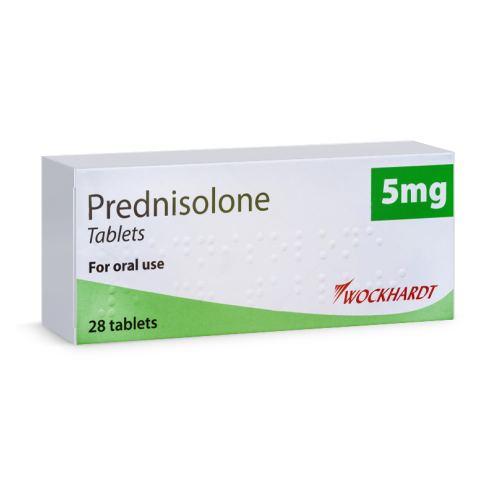
Why Prednisolone Enters the Picture: Inflammation in Real Life
A swollen knee. Raw, red skin that won’t quiet down. Breathing that tightens, not with panic, but with a creeping, silent inflammation inside your lungs. For some, inflammation is a word on a test result; for others, it’s the difference between a normal day and one spent in pain or fear.
Prednisolone doesn’t walk into the story as an everyday option. It usually appears when simpler medications—ibuprofen, acetaminophen, even prescription NSAIDs—haven’t delivered. Or when your doctor knows, from experience, that what you’re facing is too severe, too entrenched, or too risky to wait. In real clinics across the United States, Prednisolone is familiar, but not casual: its arrival signals a need for stronger action.
Whether your inflammation is part of an autoimmune flare, an allergic crisis, or a chronic disease, Prednisolone is often the drug that can change the course of the next few days or weeks. But it’s rarely the first move. Understanding why it’s been chosen—and what it can and cannot do for you—is the first step in using it wisely.
Prednisolone vs. The Rest: How Does It Stack Up?
Most patients don’t start by asking for Prednisolone. They ask whether they really need a steroid at all, or if something milder will do. Here’s where Prednisolone finds its place in the American treatment landscape for inflammation—a landscape crowded with options, each with its own hazards and hopes.
| Attribute | Prednisolone | Hydrocortisone | NSAIDs (e.g., Ibuprofen) |
|---|---|---|---|
| Mechanism | Systemic corticosteroid; powerful anti-inflammatory, immunosuppressant | Weaker corticosteroid; often used topically or for adrenal replacement | Blocks prostaglandin synthesis; reduces pain/inflammation |
| Onset of Effect | Rapid—usually 1-2 days, sometimes hours for severe cases | Slower when used systemically | Within hours |
| Duration of Action | Longer (12–36 hours) | Shorter (8–12 hours) | Short (4–8 hours) |
| Common Uses (U.S.) | Acute flares (asthma, rheumatoid arthritis), severe allergic reactions, autoimmune disease | Adrenal insufficiency, topical inflammation | Minor pain, mild inflammation, fever |
| Prescription Required | Yes | Yes (systemic); OTC for some topical | OTC |
| Adverse Effect Profile | Significant: immune suppression, mood, blood sugar, bone loss | Generally milder at equivalent doses | GI, kidney, CV risks—especially in long-term use |
| Monitoring | Recommended—especially with long or high-dose courses | Less intensive unless used long-term | Minimal for short-term use |
| Insurance Coverage | Typically covered for approved indications | Covered for adrenal insufficiency; topical varies | OTC, not covered |
Prednisolone stands out for its speed and power—but also for its baggage. When inflammation is life-altering or dangerous, Prednisolone is often the only medication with enough muscle to shut it down quickly. Hydrocortisone and NSAIDs have their place, but they rarely control the severe, immune-driven inflammation that brings Prednisolone into play. The flip side? The side effects, the monitoring, the careful tapering. No other anti-inflammatory in the U.S. carries quite the same risk/reward calculation.
How Prednisolone Actually Tames Inflammation—and What That Means for You
The relief Prednisolone brings can be dramatic. Within days—or even hours—swelling recedes, redness fades, breathing eases. Its mechanism is not a secret: Prednisolone dials down the immune system’s attack, blocking the chemical signals that drive inflammation out of control. But what does that mean for you, day to day? How does this play out in the real messiness of life?
In the United States, doctors turn to Prednisolone for asthma attacks that threaten a hospital visit, for lupus flares that can damage organs, for severe rashes that won’t yield. The dose chosen and the length of your course matter enormously. High doses over weeks can leave you with mood swings, sleep disruption, even face swelling. Short bursts—a few days—carry less risk, but are rarely risk-free.
- Immunosuppression
- When Prednisolone dampens your immune system, it means your body is less able to fight some infections. This effect is why it works for inflammation, but also why you need to watch for signs of illness during treatment.
For most, the change is positive—less pain, more function. But if you have diabetes, high blood pressure, or osteoporosis, the benefits must be weighed carefully against the risks. Prednisolone can raise blood sugar, weaken bones, and increase fluid retention. The key is not just knowing what it does, but what it feels like when it’s working for you. Relief is only part of the story.
The Dosing Equation: Getting Prednisolone Right for Your Situation
Dosing isn’t one-size-fits-all. Prednisolone’s effect and side effect profile shift dramatically with how much you take and for how long. In the United States, your doctor matches your dose to your diagnosis, severity, body size, and sometimes even your risk for complications.
| Condition | Typical Starting Dose | Duration | Adjustment? |
|---|---|---|---|
| Asthma Flare | 40–60 mg per day (single or divided dose) | 5–10 days | No taper needed if ≤2 weeks |
| Rheumatoid Arthritis (acute) | 5–60 mg per day | Variable; often tapered | Taper usually required for courses >2 weeks |
| Severe Allergic Reaction | 30–60 mg per day | 3–7 days | No taper if short |
| Chronic Autoimmune Conditions | 5–20 mg per day | Weeks to months | Careful taper essential |
| Pediatric Dosing | 1–2 mg/kg per day (max 60 mg) | Short courses typical | Specialist input advised |
These numbers are a starting point, not a prescription. Never adjust your own dose—Prednisolone’s risks rise rapidly with longer courses or higher doses. And if you’re coming off a long-term course, sudden stops can be dangerous. Your doctor will guide your taper. If you miss a dose, don’t double up without checking.
For patients with kidney or liver disease, or for children, dosing may be further individualized. Insurance coverage for Prednisolone is generally excellent for FDA-approved uses, but brand name versions may cost more than generics.
Which Side Effects Matter Most with Prednisolone—and When to Act
No serious patient takes Prednisolone without thinking about risks. Some side effects are transient nuisances; others can reshape your health if not caught early. The pattern is as important as the details.
- Short courses (< 2 weeks): Most patients experience little more than mild irritability, increased appetite, or trouble sleeping. Infection risk is low, but possible.
- Long courses (weeks to months): Risks multiply: blood sugar may rise, bones may weaken, weight may increase, mood may swing. Eyes can develop cataracts or glaucoma. The longer and higher the dose, the greater the need for monitoring.
- Special warnings: Sudden mood or mental changes, new swelling, persistent fever, vision problems, or any sign of infection—these are red flags that warrant immediate medical attention.
| Side Effect | Frequency | When to Contact a Doctor |
|---|---|---|
| Increased blood sugar | Common | If diabetic, or if symptoms of high blood sugar appear (thirst, frequent urination) |
| Mood swings / irritability | Common (especially high doses) | If severe changes, depression, or mania develop |
| Infections (mild to severe) | Common (risk rises with dose/duration) | Any signs of infection: fever, cough, wound redness |
| Bone thinning (osteoporosis) | Uncommon (short use), common (chronic) | If on long-term steroids, discuss bone protection |
| Fluid retention / swelling | Common | If new or worsening swelling develops |
| Vision changes (cataracts/glaucoma) | Uncommon (in short use), higher in chronic | Any new vision changes |
| Serious allergy to medication | Rare | Immediate care for rash, swelling, difficulty breathing |
Most side effects recede as the dose is lowered or the medication is stopped. But some, like bone thinning or eye changes, may develop silently—this is why regular check-ins and sometimes lab tests are essential for patients on longer courses.
Doctor’s View: “What surprises many patients is not just how well Prednisolone works, but how varied its side effects can be. In practice, I see more trouble from unmonitored long-term use than from short bursts for acute inflammation. If you ever feel ‘off’ in a way you can’t explain while on Prednisolone, don’t wait for your next appointment—reach out.”
When Not to Take Prednisolone: Warnings and Gray Areas
- Absolute Contraindications: Do not take Prednisolone if you have a known allergy to it or any corticosteroid, or if you have a current, untreated systemic fungal infection. These scenarios make Prednisolone dangerous, not just ineffective.
-
Relative Contraindications:
- Diabetes: Prednisolone can seriously worsen blood sugar control. Your doctor may adjust your diabetes medications and will monitor you more closely.
- Active Infections: Prednisolone suppresses the immune response. If you have tuberculosis, shingles, or another infection, your doctor must weigh the benefits and risks carefully.
- Osteoporosis: Long-term or high-dose use accelerates bone loss. Extra care is needed if you’re already at risk.
- Peptic Ulcer Disease: Prednisolone can worsen ulcers or cause new ones. You may need protective medication.
- Glaucoma or Cataracts: Eye monitoring is critical if these conditions are present.
In the United States, physicians follow FDA and clinical guideline recommendations on these warnings. If you’re seeing multiple specialists, make sure everyone knows you’re starting Prednisolone—drug interactions and overlapping risks are real.
Access, Cost, and What to Expect at the Pharmacy in the United States
You’ve left your doctor’s office with a prescription—now what? In the U.S., Prednisolone is available in multiple forms: tablets, oral solution, and less often, as an injection. Generic versions dominate the market, making the medication affordable for most patients. Insurance typically covers Prednisolone for FDA-approved uses, but coverage may be stricter for rare or off-label uses.
- Pharmacy Access: Any licensed pharmacy can fill Prednisolone. Same-day pickup is common for generics; some specialty doses may require ordering.
- Prescription Requirements: Federal law requires a valid prescription—no over-the-counter access. Telemedicine appointments are accepted in most states.
- Cost: A typical generic prescription costs $10–$30 out of pocket without insurance for a short course. Brand name versions can be significantly more expensive.
- Prior Authorization: Rarely needed for standard inflammatory diagnoses, but possible for high doses or non-standard regimens.
- Refills: Chronic or long-term use often requires regular follow-up visits for monitoring and refill approval.
If you have Medicare, Medicaid, or commercial insurance, Prednisolone is usually covered with a minimal copay. For those paying cash, cost is rarely a barrier. If your insurance denies coverage, your doctor may submit additional documentation—especially for chronic conditions.
U.S. pharmacies are vigilant about drug interactions. Always bring a current medication list, and let your pharmacist know about all prescription, over-the-counter, and supplement use.
Questions Patients Ask About Prednisolone: The Real Q&A
- Is Prednisolone safe if I have diabetes?
- Prednisolone can raise blood sugar, sometimes dramatically. If you have diabetes, your doctor will usually adjust your diabetes medications and monitor your glucose closely during treatment. Never change your diabetes regimen without checking with your healthcare provider.
- Should Prednisolone be taken in the morning or at night?
- Most doctors in the United States recommend taking Prednisolone in the morning, ideally with food, to mimic your body’s natural steroid rhythm and reduce the risk of insomnia. Taking it late in the day is more likely to disrupt sleep.
- Can I stop Prednisolone suddenly after a short course?
- For courses less than 2 weeks, most adults can stop Prednisolone without tapering. Longer or higher-dose courses usually require a gradual reduction to avoid adrenal suppression. Always follow your doctor’s instructions—never stop abruptly after a long course.
- Will Prednisolone make me gain weight?
- Weight gain is a common side effect, especially with longer courses or higher doses. This is due to increased appetite, fluid retention, and metabolic changes. For short bursts, weight gain is usually minimal or temporary.
- Can I drink alcohol while taking Prednisolone?
- Moderate alcohol is not strictly contraindicated, but combining Prednisolone and alcohol increases the risk of stomach irritation, ulcers, and impaired immune response. It’s safest to limit alcohol or avoid it during your course.
- What happens if I miss a dose of Prednisolone?
- If you miss a dose, take it as soon as you remember—unless it’s almost time for your next dose. Do not double up. For chronic users, missing multiple doses can be serious; consult your physician if you’re unsure how to proceed.
- Is there a difference between Prednisolone and Prednisone?
- Both are corticosteroids, but Prednisolone is the active form and does not require liver activation. This makes it preferable for people with liver disease. The clinical effects are otherwise very similar for most patients.
- How do I know if Prednisolone is working?
- Reduction in symptoms—less pain, swelling, redness, or easier breathing—usually appears within a few days. If symptoms persist or worsen, contact your doctor; it may indicate the need for a different approach.
- Are there long-term risks if I need Prednisolone for months?
- Yes. Extended use increases the risk of bone loss, eye problems, infections, and adrenal suppression. Your doctor will likely monitor you with periodic exams and lab tests, and may add medications to protect your bones or stomach.
Sources and References
- U.S. Food and Drug Administration (FDA) – Prednisolone
- Prednisolone (Oral Route) – Mayo Clinic
- Prednisolone: Prescribing Information, Official Manufacturer Label, 2023
- American College of Rheumatology – Clinical Guidelines
- ClinicalTrials.gov
- Systemic Corticosteroids for Inflammatory Disease, American Academy of Family Physicians, 2021
- PubMed – NIH National Library of Medicine
- Prednisolone: Drug Information, Lexicomp, 2023





- Be Respectful
- Stay Relevant
- Stay Positive
- True Feedback
- Encourage Discussion
- Avoid Spamming
- No Fake News
- Don't Copy-Paste
- No Personal Attacks
- Be Respectful
- Stay Relevant
- Stay Positive
- True Feedback
- Encourage Discussion
- Avoid Spamming
- No Fake News
- Don't Copy-Paste
- No Personal Attacks
